In nearly every market cycle, buyers face the same crossroads: the allure of a brand-new development versus the practicality and lower price advantage of a resale home. New construction dazzles for obvious reasons. Everything is untouched, every finish sparkles and the building often comes wrapped in sleek marketing. But behind the glow is a consistent reality: new developments typically cost 10 to 30 percent more than comparable resale homes AND you might sell at a lower pice than when you first bought it.
That premium isn’t arbitrary. Every buyer should understand a few things before signing a contract.
The Psychology of “First Ownership”
Part of the premium is simply emotional. Many buyers love the idea of stepping into a home that has never been lived in. Who wouldnt love a blank slate with no repairs, no outdated tiles and no trace of prior tastes. For some, the value of “new” feels self-justifying.
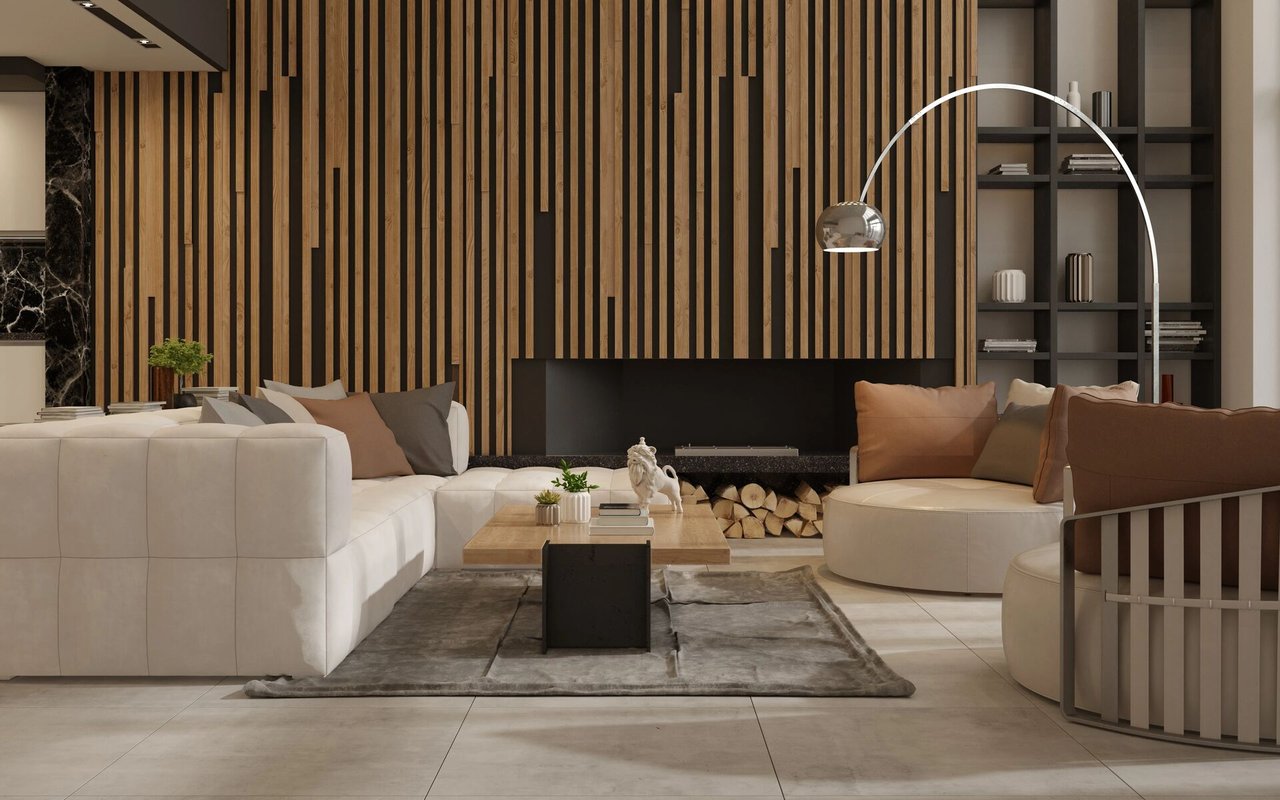
Developers also design floor plans and finishes to align with contemporary tastes: open kitchens, oversized windows, taller ceiling heights and integrated technology. These features resonate today, and that desirability helps support pricing.
But the psychological advantage is fleeting. Unless the building was designed with amazing proportions and good taste, by the time the next wave of new buildings launches nearby, today’s “brand-new” unit becomes one more resale competing for attention.
The Built Cost of Modern Buildings
Beyond aesthetics, new developments reflect the economics of modern construction. Higher material costs, stricter building codes, complex mechanical systems and expansive amenity programs all feed into the final sale price.
Buyers are essentially absorbing:
-
Elevated construction and labor costs
-
Developer profit margins
-
Building-wide smart systems and upgraded mechanicals
-
Architectural features meant to differentiate the project
None of these elements are inherently negative. They simply explain why new construction starts at a higher baseline than older inventory.
Amenities: Valuable or Just Expensive?
Today’s buildings don’t offer just a gym and a doorman. They sell a lifestyle. Co-working lounges, rooftop kitchens, playrooms, pet spas and wellness suites have become common in new developments, especially in competitive urban markets.
The catch: Amenities drive up monthly expenses, not just sale prices.
Buyers who rarely use these features may still be underwriting them every month through common charges.
A Premium That Doesn’t Always Last
New construction often enters the market at the top of the pricing curve. But resale value depends on timing, competition and neighborhood development.
A unit that felt cutting-edge on day one can look dated when:
-
Newer projects launch with better finishes
-
Additional phases of construction open nearby
-
Amenities no longer feel unique
-
A neighborhood becomes oversaturated
For buyers with a shorter hold period, this can compress returns quickly.
Is the Premium Worth It?
Sometimes yes. Sometimes absolutely not. New developments can make sense for buyers planning long-term occupancy, those who prioritize modern layouts and systems or anyone who values low maintenance living. But for buyers focused on investment performance or shorter timelines, paying a premium for “new” does not guarantee a premium at resale.
Clarity comes from evaluating:
-
Total cost of ownership, not just the purchase price
-
How long you plan to stay
-
Market supply coming online
-
Whether the building offers enduring, not trendy, appeal
The goal is not to avoid new development. The goal is to understand exactly what you’re paying for and whether that aligns with your plans. Thinking about new development vs resale? I can walk you through the numbers, the trade-offs and the long-term implications so you make a decision that aligns with your goals.