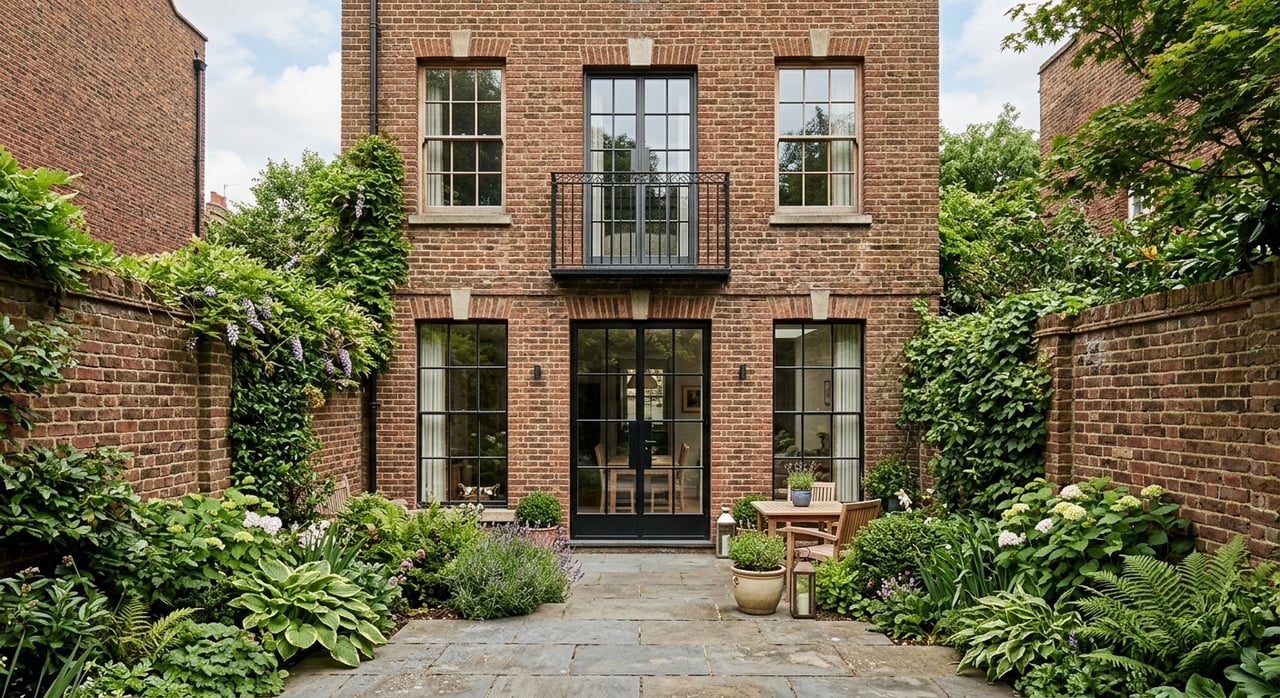
Own a West Village townhouse, or thinking about buying one? You are not just evaluating a home. In many cases, you are looking at a long-term asset shaped by landmark rules, tax treatment, carrying costs, and eventual estate planning. If your goal is to make a smart decision that works for both your lifestyle and your balance sheet, this guide will help you frame the big questions. Let’s dive in.
Why West Village townhouses are viewed differently
West Village townhouses often stand apart from other Manhattan properties because the neighborhood includes historically protected blocks with a distinctive built character. The Greenwich Village Historic District was designated in 1969, and the 2006 Greenwich Village Historic District Extension added roughly 45 buildings along the far western waterfront. The extension report describes the area as a rare surviving example of an older west-side development pattern.
That context matters because many buyers are not simply paying for square footage. They are also paying for preserved scale, façade character, stoops, and other exterior details that help define the block. In practical terms, that can make a townhouse feel less like a standard housing product and more like a scarce long-term holding.
The Landmarks Preservation Commission reviews exterior alterations, demolition, reconstruction, and new construction for designated structures in historic districts. At the same time, landmark designation does not freeze a building in place. Ordinary repairs and most interior work generally do not require the same level of review, and changes can still happen when they are found appropriate.
How preservation affects long-term planning
If you are building a long-range wealth plan, preservation rules are part of the story. When exterior change is constrained and the surrounding architectural fabric stays distinctive, the asset may be viewed through a longer holding lens. That does not guarantee appreciation, but it helps explain why many owners and buyers treat West Village townhouses as multidecade properties.
This is especially relevant if you are thinking beyond your own occupancy. A townhouse may serve as a primary residence, a mixed-use asset, a family property passed between generations, or a property sold as part of an estate. The same historic qualities that support long-term appeal can also affect renovation strategy, carrying costs, and transfer planning.
Property class shapes carrying costs
One of the first financial questions to answer is how the townhouse is classified. In New York City, a one- to three-family townhouse generally falls into class 1. The Department of Finance says class 1 market value is estimated using statistical modeling of similar neighborhood sales from the prior three years, based on factors like size and location.
For class 1 homes, assessed value cannot generally rise by more than 6% in one year or 20% over five years unless physical changes are made. That cap can be meaningful for owners who are trying to project future carrying costs over a longer ownership period.
If a townhouse has more than three residential units, it is generally class 2. Class 2 property is valued as income-producing real estate, based on income and expenses. For class 2 properties with 10 or fewer units, assessed value increases are capped at 8% per year and 30% over five years, while larger class 2 properties use a transitional assessed value phased in over five years.
Why classification matters before you buy
Two townhouses on nearby blocks can look similar from the street and still behave very differently as financial assets. A single-family residence, a small rental building, and a mixed-use property may all be analyzed under different tax and valuation frameworks. If you are comparing options, you want to understand the actual legal and tax profile of the property, not just the marketing description.
Renovation can affect the tax picture
Many townhouse buyers focus on design, layout, and resale appeal. Those are important, but the assessment rules mean renovation strategy deserves equal attention. In New York City, physical changes such as additions or major renovations are not protected by assessment caps in the same way as ordinary annual increases.
That means improvements can affect the tax base. In a market like the West Village, where comparable sales are highly specific and each building can have its own story, it helps to weigh the lifestyle value of upgrades against their possible long-term tax impact. A renovation that improves your use of the home may still be the right move, but it should be modeled with open eyes.
Rental income can add flexibility
Some buyers look at a townhouse as a home first and an income source second. Others see rental potential as part of the core investment thesis. Either way, rental income can improve long-term carrying economics, especially when part of the property is configured for legal rental use.
The key is not to assume anything based on appearance alone. Rent stabilization in New York City depends on factors such as unit count, construction date, and tax-benefit history. A townhouse should not be assumed to be stabilized or unregulated simply because it looks like a single building on a residential block.
Mixed-use and partial rental planning
If you live in part of the townhouse and rent another part, your planning becomes more detailed. Your annual carrying costs, future sale treatment, and tax reporting may all differ from a pure primary residence. That is why mixed-use townhouses are usually best evaluated as split-use properties rather than with a one-size-fits-all approach.
Estate planning matters more than many buyers expect
For high-net-worth households, estate planning can be one of the biggest reasons to think carefully about a West Village townhouse purchase or hold strategy. For 2026, the federal estate-tax basic exclusion amount is $15 million, while New York State’s basic exclusion amount for dates of death in 2026 is $7.35 million. Because those thresholds are materially different, a family may fall below the federal threshold and still need New York estate-tax planning.
That difference can matter if a townhouse has appreciated substantially over time or sits alongside other major assets. If your goal is to preserve flexibility for heirs or reduce future friction, it makes sense to view the property within your broader wealth and estate framework.
Basis step-up can change the sale strategy
Inherited real estate generally receives a basis equal to fair market value on the date of death, and inherited property is generally treated as long-term when sold. For a townhouse held for decades, that step-up in basis can reduce embedded capital gains that built up during the prior owner’s lifetime.
This is one reason a family may make very different decisions about whether to sell during life, transfer at death, or continue holding after inheritance. The right path depends on the full picture, but the basis rules can materially change the economics.
Primary residence and rental tax treatment differ
If the townhouse is your main home, the federal home-sale exclusion may help reduce taxable gain when you sell. A homeowner may exclude up to $250,000 of gain, or up to $500,000 on a joint return, if the ownership and use tests are met.
But if part of the property is used for rental or business purposes, the tax picture becomes more layered. Rental basis adjustments and depreciation can affect both annual deductions and the gain recognized later at sale. In plain terms, a mixed-use townhouse should be modeled separately from a purely owner-occupied one.
Upfront closing costs deserve careful modeling
On a high-value townhouse, closing taxes can meaningfully affect your entry cost. In New York City, the real property transfer tax generally applies at 1% for residential transfers of $500,000 or less and 1.425% above that threshold. New York State also imposes a real estate transfer tax of $2 for each $500 of consideration, and the state mansion tax generally applies at 1% on residential transfers of $1 million or more.
Under the state rules, the base transfer tax is typically paid by the seller, while the mansion tax is typically paid by the buyer. If the purchase is financed, mortgage recording tax is another major line item to model at closing. In a market where townhouse prices are high, these costs should be part of your decision early, not treated as an afterthought.
Property-tax exemptions may still be worth reviewing
Some owner-occupants may qualify for property-tax exemptions offered by New York City and New York State. Categories include seniors, veterans, clergy, and people with disabilities. These exemptions are applied after assessment to determine taxable value.
In the West Village, the immediate value of these programs may be limited for some owners based on income or ownership profile. Still, it is worth confirming eligibility rather than assuming none applies.
Questions to ask before you commit
If you are evaluating a West Village townhouse as part of a long-term wealth plan, start with a focused checklist:
- Is the property class 1 or class 2?
- How do the assessment caps or transitional rules affect projected carrying costs?
- Have any major physical changes been made, or are any planned?
- Is any unit rent-stabilized or otherwise regulated?
- What is the building’s legal unit count and occupancy history?
- Will part of the property be used for rental purposes?
- How should depreciation and future sale treatment be modeled?
- How will transfer taxes, mansion tax, and mortgage recording tax affect closing costs?
- If this is a family asset, what does the future inheritance or estate plan look like?
These questions are not just for investors. They also matter if you are a future primary resident who wants clarity, flexibility, and fewer surprises over time.
Why execution matters with legacy properties
A West Village townhouse can be emotionally meaningful and financially complex at the same time. That is especially true when the property is inherited, held in trust, partially rented, or being evaluated as a family legacy asset. In those situations, you need more than a simple pricing conversation.
You need clear analysis, careful coordination, and a practical plan for the property as it exists today and how it may transfer tomorrow. That kind of preparation helps you protect value, reduce avoidable friction, and make decisions that fit your bigger goals.
If you are weighing a purchase, planning a sale, or navigating an inherited townhouse with long-term wealth considerations in mind, Ronit Abraham can help you think through the real estate side with care, clarity, and hands-on guidance.
FAQs
What makes a West Village townhouse different from other Manhattan properties?
- West Village townhouses often sit within historic district protections that help preserve exterior character and the area’s distinctive scale, which can support their appeal as long-term holdings.
How are West Village townhouse property taxes assessed in New York City?
- A one- to three-family townhouse is generally class 1, while a townhouse with more than three residential units is generally class 2, and each class follows different valuation and assessment rules.
Can renovating a West Village townhouse affect future property taxes?
- Yes. Major physical changes such as additions or significant renovations can affect the tax base and are not protected by annual assessment caps in the same way as ordinary increases.
Should you assume a West Village townhouse rental unit is rent-stabilized?
- No. Rent stabilization depends on details like unit count, construction date, and tax-benefit history, so the legal status should be confirmed property by property.
How does inheritance affect capital gains on a West Village townhouse?
- Inherited real estate generally receives a basis equal to fair market value on the date of death, which can reduce built-in capital gains for heirs who later sell.
What closing taxes should buyers model for a West Village townhouse purchase?
- Buyers should review New York City transfer tax, New York State transfer tax, the mansion tax for qualifying purchases, and mortgage recording tax if financing is involved.