A Global Trend Built on Lifestyle and Identity
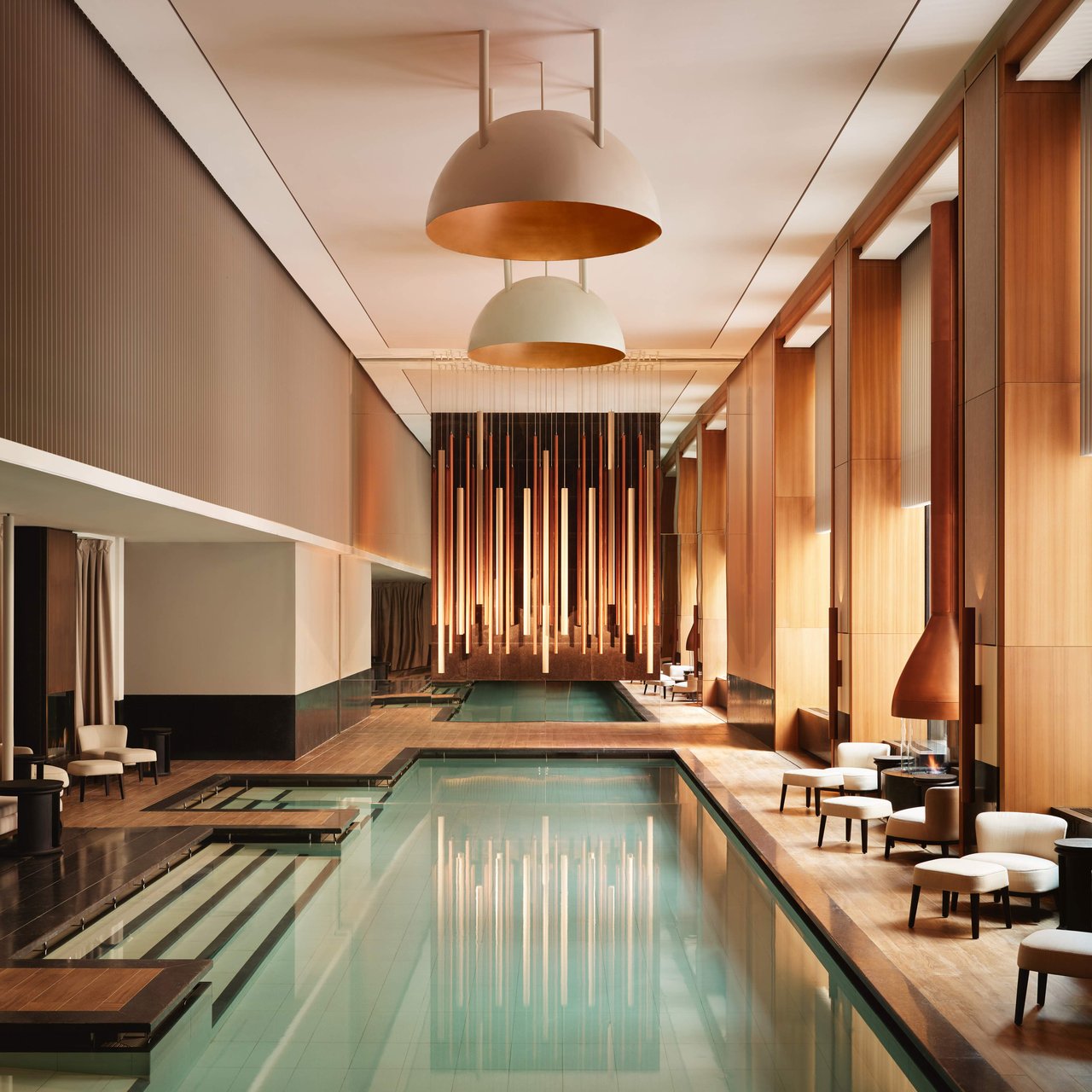
Branded residences are expanding worldwide at a pace few anticipated. These properties merge hospitality, design, and high end service into a single product category. According to Forbes, the branded residence pipeline has climbed past 150 future developments, driven by affluent buyers who want hotel level service in a permanent home.
What makes them attractive is simple: buyers already trust the brand. They’ve dined there, stayed there, or built some emotional connection long before they tour the sales gallery. Real estate becomes the final extension of that loyalty.
How This Trend Shows Up in New York City
NYC has become a showcase for the branded residence boom, with three standout examples:
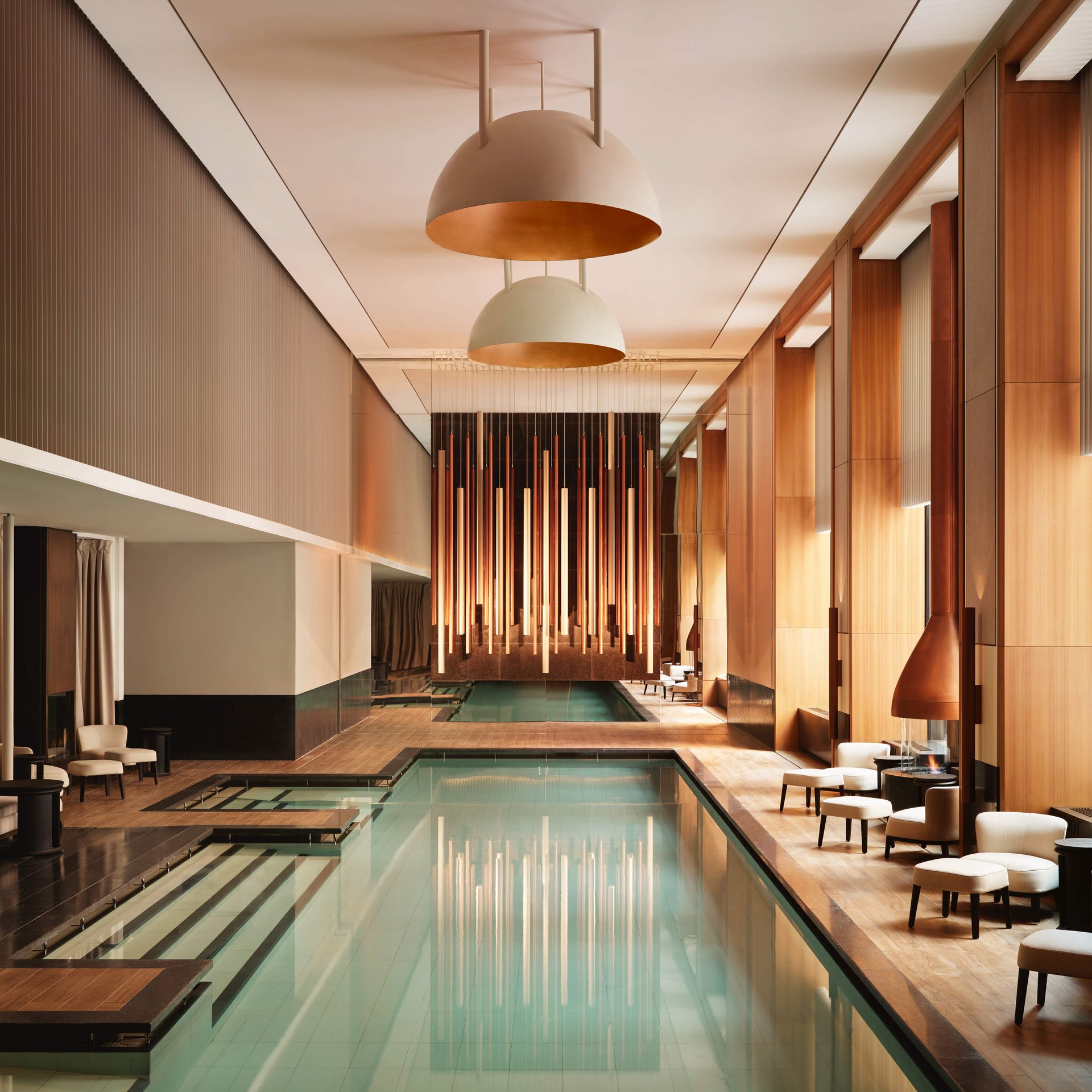
Aman New York Residences, Fifth Avenue
World class privacy, ultra luxury amenities, and full access to Aman’s signature approach to service.
Website: https://www.aman.com/resorts/aman-new-york/residences
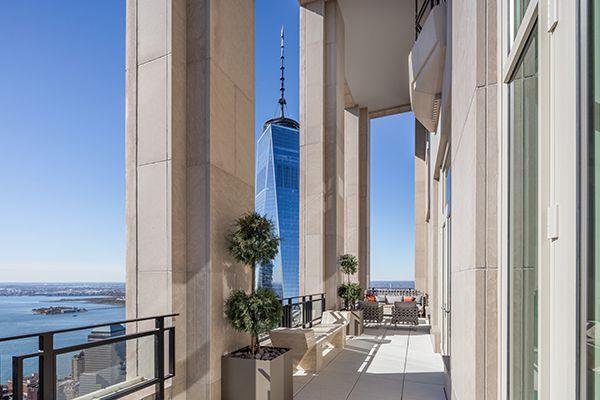
Four Seasons Private Residences, 30 Park Place
A timeless model of hotel backed living with refined design and concierge services.
Website: https://30parkplace.com/
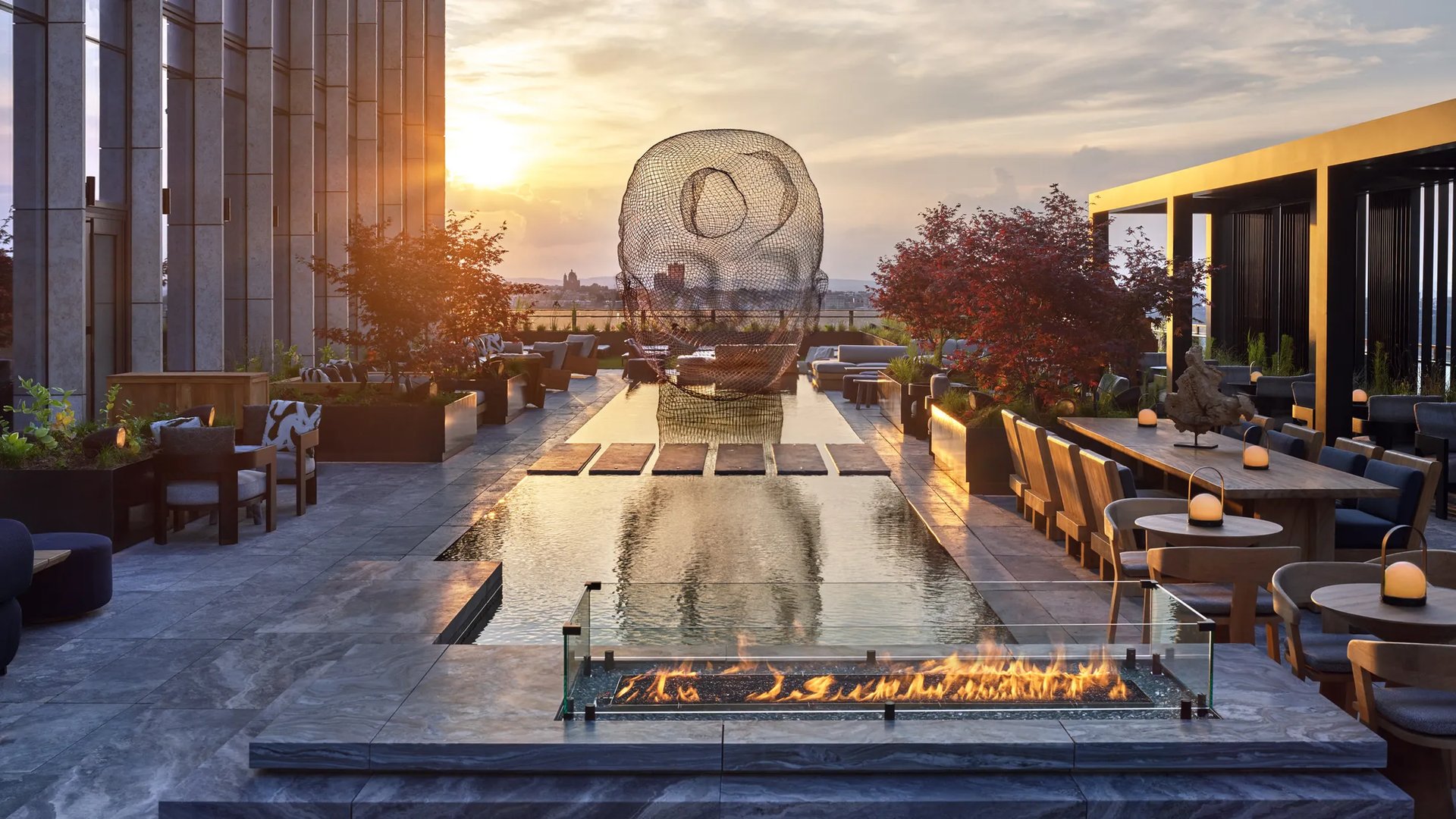
Equinox Hotel Residences, Hudson Yards
A wellness centered interpretation of luxury, offering a lifestyle built around health, recovery, and fitness.
Website: https://equinox-hotels.com/hudson-yards/residences/
(If the residences page redirects, the hotel page covers the brand’s philosophy that informs the residences.)
These projects reinforce the same message: in the luxury market, the brand itself is part of the product. Buyers aren’t just choosing a building, they’re choosing a world.
What This Means for NYC’s Market
Branded residences thrive in New York because they appeal to global buyers who want stability, credibility, and high end service. They also attract investment capital, pull in international demand, and elevate neighborhood price points.
But they highlight something else too. The development pipeline continues to skew heavily toward the luxury segment. Aman, Four Seasons, and Equinox cater to a tiny slice of the market, but they influence land pricing, construction expectations, and what developers prioritize. This strengthens New York’s position as a global luxury hub and simultaneously widens the gap between high end and attainable housing.
Branded residences aren’t going anywhere. If anything, NYC is likely to see more of them. But unless development capacity shifts toward middle market buyers, these towers will keep illustrating the same tension: the city that sets global luxury trends still struggles to build for the people who actually live here.