A recent national survey shows that homeowners are increasingly prioritizing features that make their properties more efficient, resilient and self sustaining. Eco friendly upgrades are no longer viewed as niche lifestyle choices, they are becoming mainstream expectations and smart long term financial investments. As energy costs rise and climate considerations become part of everyday decision making, buyers are actively seeking homes designed to reduce consumption, lower bills and support healthier living.
One of the most notable trends is the surge in WaterSense certified fixtures, which reduce water use by at least 20 percent. Mentions of WaterSense features in listing descriptions have increased by almost 290 percent year over year, making them the single fastest growing home feature of 2025.
Following closely behind are several other rapidly trending design terms:
-
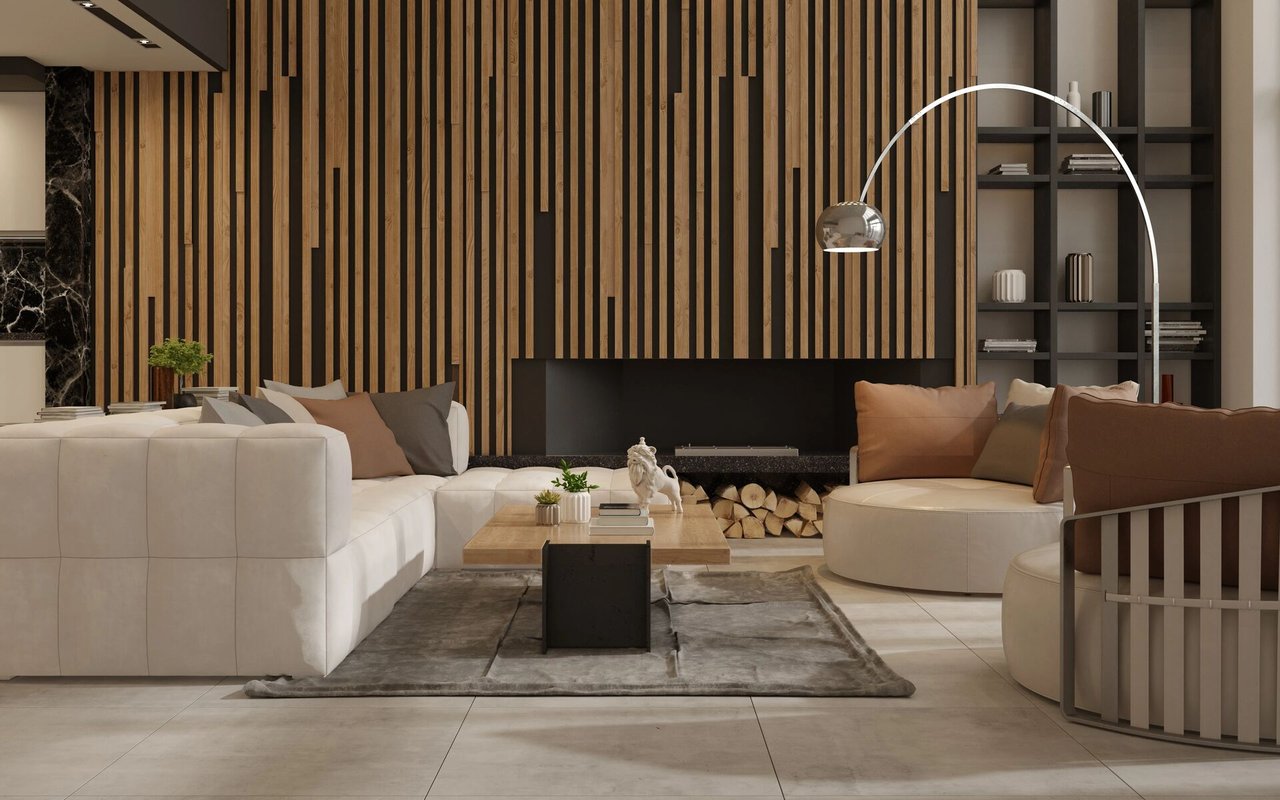
“Biophilic” design, which incorporates natural elements, organic materials and indoor outdoor connections to promote well being.
-
“Coastal Modern”, a clean, airy aesthetic that blends natural textures, neutral tones and indoor outdoor flow.
-
“Net Zero Ready”, indicating homes built with the infrastructure to operate on renewable energy and significantly reduce carbon impact.
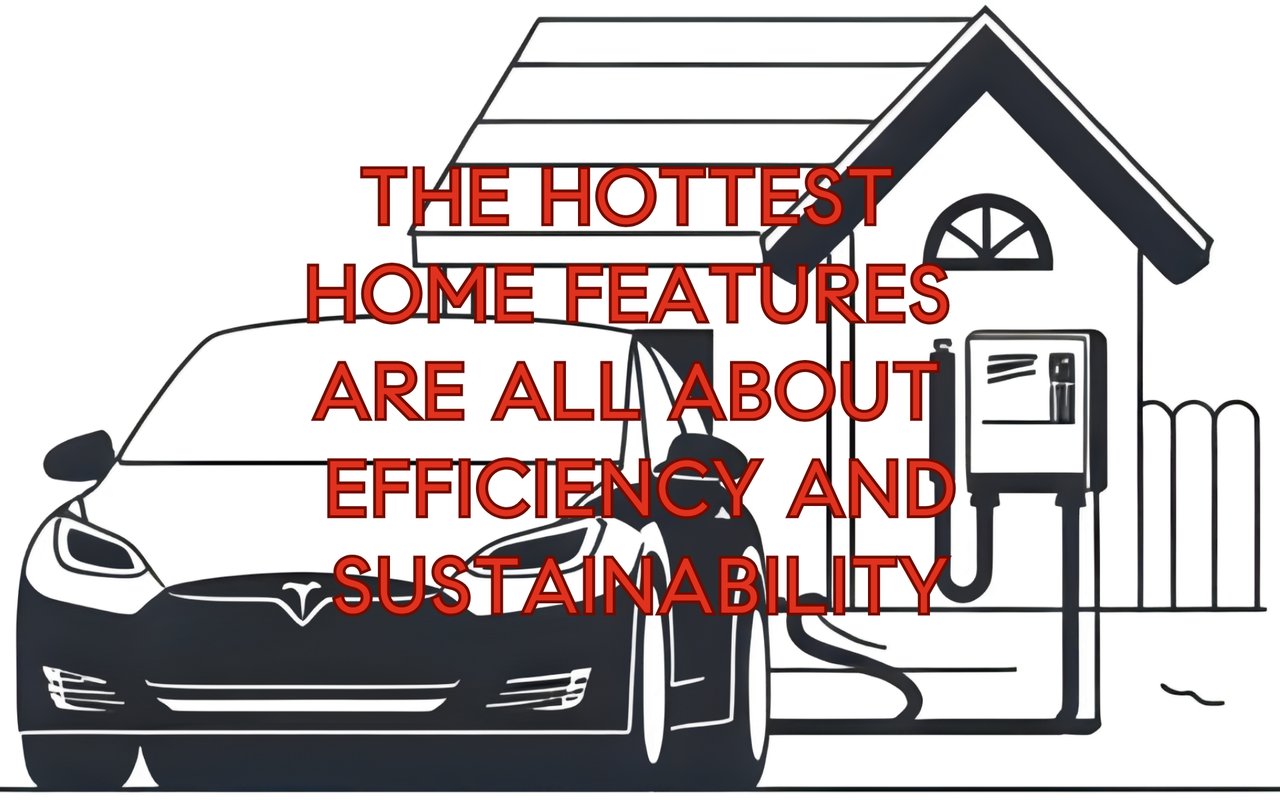
Mentions of EV chargers and home gyms also climbed substantially, reflecting broader lifestyle and transportation shifts as more buyers prioritize convenience, wellness and future ready infrastructure.
This shift in homeowner preferences suggests that sustainability is no longer a bonus feature. It is quickly becoming a baseline expectation for the modern home. If you’re considering upgrades or preparing to list your home, incorporating high demand sustainable features can significantly boost appeal and value. If you’re considering upgrades or preparing to list your home, incorporating high demand sustainable features can significantly boost appeal and value. If you want guidance on which improvements matter most in today’s market, I’m here to help you plan strategically.