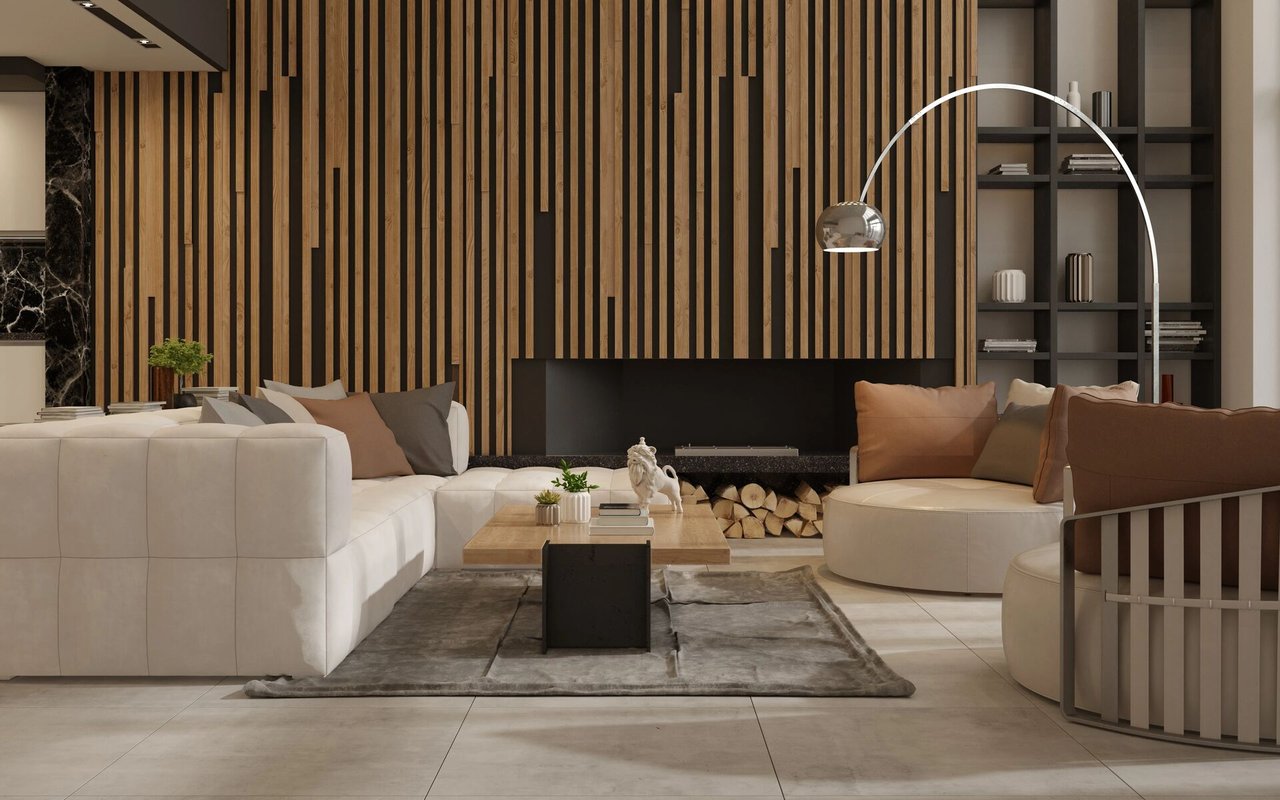
The Wall Street Journal reported this week on the growing number of home sales reaching $200 million and beyond. These transactions are not mainstream, but they are undeniably happening in New York, Florida and California. They signal something larger than extreme wealth, they point to a societal divide that is reshaping politics and most importantly, public sentiment.
Ultra luxury sales highlight a trend that has been building quietly for years. As the majority of consumers lose buying power due to inflation and slow wage growth, a smaller group of homeowners have seen their wealth surge. Layer on lower taxes, whether through federal policy changes or migration to lower tax states, and the result is a form of ultra stimulus that drives an entirely different economy for the highest tier of wealth.
This has created what some economists now call LUXE-flation. While the wealthy have indeed gotten richer, their dollars buy less than they did ten years ago. Luxury goods, services and trophy assets have become dramatically more expensive. The extremely wealthy, however, have the means to pay whatever price is needed to secure what they want.
You see this pattern beyond real estate. In the art world, a Gustav Klimt painting recently sold for $236.4 million, making it the most expensive modern artwork ever auctioned and the second-highest auction price of all time. Just two years earlier, another Klimt sold for less than half that amount. The escalation is dramatic.
For those watching from the sidelines, it is easy to dismiss these numbers as irrelevant to everyday life. But ultra luxury spending does not exist in a vacuum. These extreme price jumps feed broader inflation, not just LUXE-flation. They also provide ammunition for political narratives centered on inequality and resentment toward the wealthy.
And then there is the problem with averages. Those massive top-end sales are included in “average sale price” metrics, which distort the data. If a broker sells one $40 million home in an otherwise ordinary year, their average sale price skyrockets.
This is why averages should be viewed with skepticism. They are easily skewed by a single outlier. Medians, which reflect the midpoint of all sales, are often far more accurate and useful for understanding actual market conditions.
As the ultra luxury sector keeps breaking records, its ripple effects will reach far beyond those writing nine-figure checks. If you’re trying to make sense of today’s housing data, especially with extremes pulling the market in different directions, I can help you interpret what matters for buyers and sellers in the real world. Reach out any time.