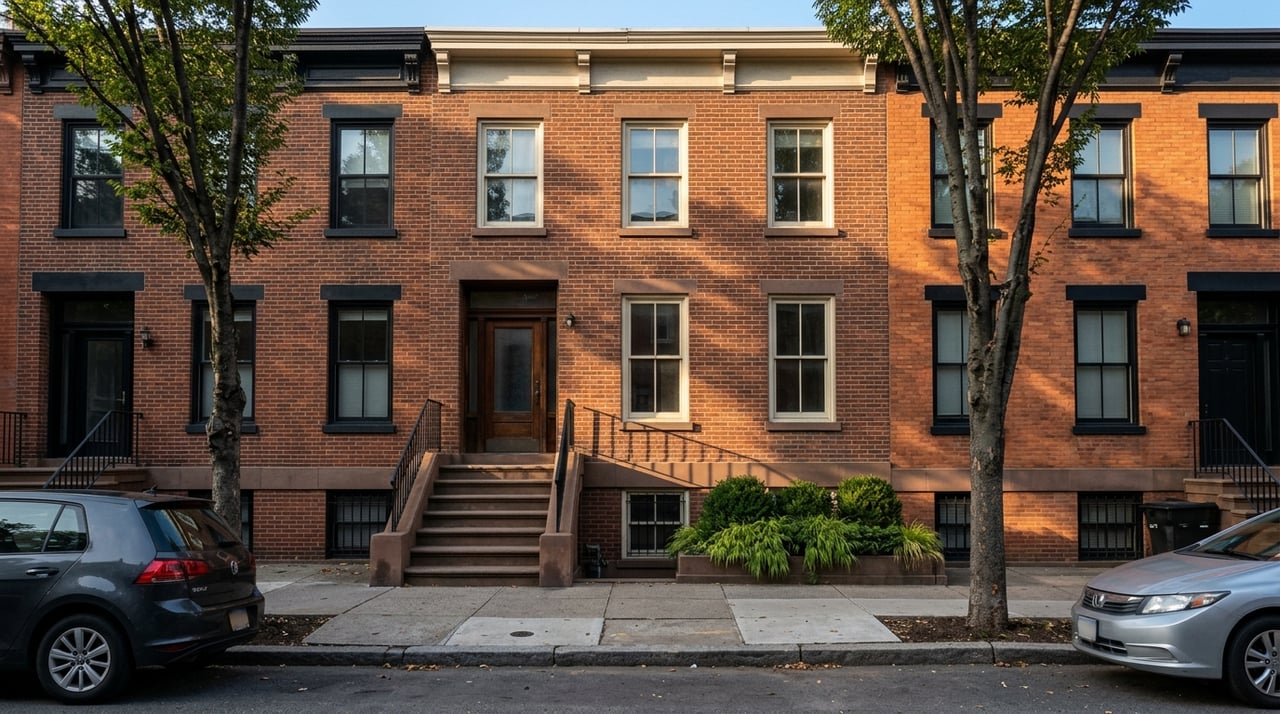
If you picture Bedford-Stuyvesant as one long row of brownstones and coffee shops, you are only seeing part of the story. What makes Bed-Stuy memorable is the way quiet, stoop-lined residential blocks connect to active commercial corridors, cultural institutions, parks, and everyday neighborhood stops. If you are exploring the area for a move, a sale, or simply a better feel for the neighborhood, this guide will help you understand how those pieces fit together. Let’s dive in.
Why Bed-Stuy Feels So Distinct
Bedford-Stuyvesant is a predominantly residential neighborhood with a dense historic housing stock and several active retail corridors. New York City planning materials describe a streetscape of three- to four-story brownstones, stoops, front yards, churches, and institutions, which gives the neighborhood a strong visual identity.
At the same time, Bed-Stuy is not just about architecture. City commercial district materials identify Bedford, Nostrand, Tompkins, Malcolm X, Fulton, and Dekalb as key retail streets, with businesses that include restaurants, stores, salons, and professional services. That mix is part of why a walk here can shift quickly from calm residential blocks to lively, practical, all-day activity.
Where Brownstone Walks Shine
The neighborhood’s best-known brownstone stretches are concentrated in historic districts rather than spread evenly across every block. That matters if you want a walk that really delivers the preserved rowhouse character people often associate with Bed-Stuy.
The Landmarks Preservation Commission highlights notable stretches in the Bed-Stuy and Expanded Stuyvesant Heights areas, including MacDonough Street between Tompkins and Throop Avenues and MacDonough Street between Patchen and Ralph Avenues. These blocks help show why Bed-Stuy remains one of Brooklyn’s most recognized rowhouse neighborhoods.
MacDonough Street Details
On these stretches, the appeal is often in the repetition as much as in any one home. You notice stoops, cornices, front gardens, and a steady facade rhythm that creates a strong street presence from one building to the next.
That consistency can make a walk feel calm and visually rich at the same time. If you are someone who pays attention to architectural details, these blocks reward a slower pace.
Willoughby-Hart’s Architectural Variety
A newer point of interest is the Willoughby-Hart Historic District, with special emphasis on Willoughby Avenue and Hart Street between Nostrand and Marcy Avenues. The Landmarks Preservation Commission describes many of these row houses as neo-Grec brownstones, with additional Second Empire and Queen Anne or Romanesque Revival examples.
That mix helps explain why Bed-Stuy can feel architecturally varied even when the streetscape still reads as cohesive. You may see a uniform row from a distance, then pick up differences in window shapes, ornament, or roofline as you get closer.
Where Cafes Cluster
If you want to pair a residential stroll with a coffee stop, Tompkins Avenue is one of the clearest starting points. It offers a visible cluster of cafes and food spots that fit naturally into a walking route.
Current examples on Tompkins include Brown Butter at 413 Tompkins Ave, Sally’s at 151 Tompkins Ave, and BKLYN BLEND at 194 Tompkins Ave. Each presents a slightly different format, from craft bar and kitchen to dining room to cafe and smoothie spot, which gives the corridor an all-day feel rather than a single-purpose coffee strip.
Tompkins Avenue Flow
Tompkins works especially well because the shift between side streets and storefronts feels easy. You can spend time on a rowhouse block, then step back into a corridor with cafes, restaurants, and neighborhood services without needing to travel far.
That block-to-block rhythm is one of Bed-Stuy’s defining strengths. It gives the area a pace that feels walkable and layered rather than overly polished or one-note.
Nostrand And Dekalb Stops
Nostrand Avenue is another major cafe-and-errand spine. Nostrand Cafe lists locations at 261 Nostrand Ave. and 218 Dekalb Ave., and The Council Cafe is at 279 Nostrand Ave.
This stretch reflects the broader commercial pattern identified by the city. It is not just a place to grab coffee. It is also part of a mixed-use corridor where everyday errands, food stops, and local services all sit close together.
More Than Coffee On The Ground Floor
One of the easiest mistakes to make when talking about Bed-Stuy is focusing only on cafes. The neighborhood’s street-level life is much broader than that.
City and local corridor descriptions point to a commercial ecosystem that includes restaurants, delis, bodegas, salons, clothing, grocery, childcare, health services, banks, arts, financial, and social services. Restoration Plaza’s description of the Fulton Street and Nostrand Avenue area reinforces that idea by showing how many daily needs and community functions are served within the neighborhood itself.
For you as a buyer or seller, that matters. A neighborhood’s appeal is often tied not just to how it looks, but to how well its streets support everyday routines.
Cultural Stops That Shape The Weekend
Bed-Stuy’s weekend rhythm comes from more than cafe seating. Public programming, cultural anchors, and open spaces all play a role in how the neighborhood feels from Friday through Sunday.
Restoration Plaza on Fulton Street is one of the area’s key anchors. It describes itself as a long-running community hub that has hosted concerts, holiday parties, job fairs, farmers’ markets, film screenings, and the annual Restoration 10K, and it is also home to the Billie Holiday Theatre.
Weeksville And Macon Library
Weeksville Heritage Center adds an important historic and cultural dimension. It is a free, open-to-the-public historic site and cultural center focused on the history of one of the largest free Black communities in pre-Civil War America.
Macon Library on Lewis Avenue is another meaningful stop. It is a historic Carnegie branch with an African American Heritage Center and ongoing community programming, which adds to the neighborhood’s civic and cultural texture.
Parks And Public Space
Public space also helps define the area’s feel. The city describes Marcy Avenue Plaza, at Marcy, MacDonough, and Fulton, as a welcoming pedestrian space that hosts the Marcy Plaza Farmers Market.
Herbert Von King Park adds another layer, with 7.82 acres that include a Cultural Arts Center, outdoor amphitheater, fitness equipment, and playgrounds. Together, these spaces support the kind of foot traffic and outdoor activity that make weekend walks feel fuller and more social.
How To Plan A Bed-Stuy Walk
If you want to experience the neighborhood in a way that feels true to its layout, it helps to think in segments. Bed-Stuy is most enjoyable when you combine preserved residential blocks with one or two active corridors and a cultural or public-space stop.
A simple approach could look like this:
- Start on a historic rowhouse block such as MacDonough Street
- Move toward Tompkins Avenue for a cafe stop
- Continue onto another commercial corridor like Nostrand or Fulton
- Add a stop at Restoration Plaza, Marcy Avenue Plaza, Weeksville Heritage Center, or Herbert Von King Park
This kind of route helps you see what makes the neighborhood more than a postcard. You get architecture, retail activity, and community infrastructure in the same outing.
Why This Matters If You’re Buying Or Selling
For buyers, understanding Bed-Stuy block by block can help you see the difference between a beautiful residential stretch and a location that also offers easy access to cafes, services, and public spaces. That context can shape what feels like the right fit for your daily routine.
For sellers, the neighborhood story matters too. When a home is part of a brownstone block near active corridors or cultural anchors, the value conversation is often about more than square footage alone. Buyers respond to how a home connects to preserved architecture, walkability, and the everyday texture of the surrounding streets.
If you own a brownstone, townhouse, or multi-family property in Bed-Stuy, that local context deserves careful positioning. A strong sale strategy should reflect not just the building itself, but also the specific block, nearby corridors, and the broader neighborhood pattern that buyers experience in person.
If you are thinking about buying, selling, or navigating a more complex property transition in Brooklyn, Ronit Abraham offers neighborhood-informed, hands-on guidance with the care and precision these homes deserve.
FAQs
What are the best Bedford-Stuyvesant blocks for brownstone architecture?
- The most clearly documented brownstone stretches are in historic districts, including MacDonough Street between Tompkins and Throop Avenues, MacDonough Street between Patchen and Ralph Avenues, and parts of the Willoughby-Hart Historic District.
Where can you find cafes in Bedford-Stuyvesant?
- Tompkins Avenue and Nostrand Avenue are two of the clearest cafe corridors, with examples including Brown Butter, Sally’s, BKLYN BLEND, Nostrand Cafe, and The Council Cafe.
What makes Bedford-Stuyvesant feel walkable?
- Bed-Stuy’s walkability comes from the close relationship between stoop-lined residential blocks, active retail streets like Tompkins and Nostrand, and public spaces such as Marcy Avenue Plaza and Herbert Von King Park.
What cultural places are worth visiting in Bedford-Stuyvesant?
- Notable cultural and civic anchors include Restoration Plaza, the Billie Holiday Theatre, Weeksville Heritage Center, and Macon Library.
Why do Bedford-Stuyvesant historic districts matter for buyers and sellers?
- Historic districts help define where preserved rowhouse character is strongest, which can shape how buyers experience a block and how sellers present a property within the neighborhood context.