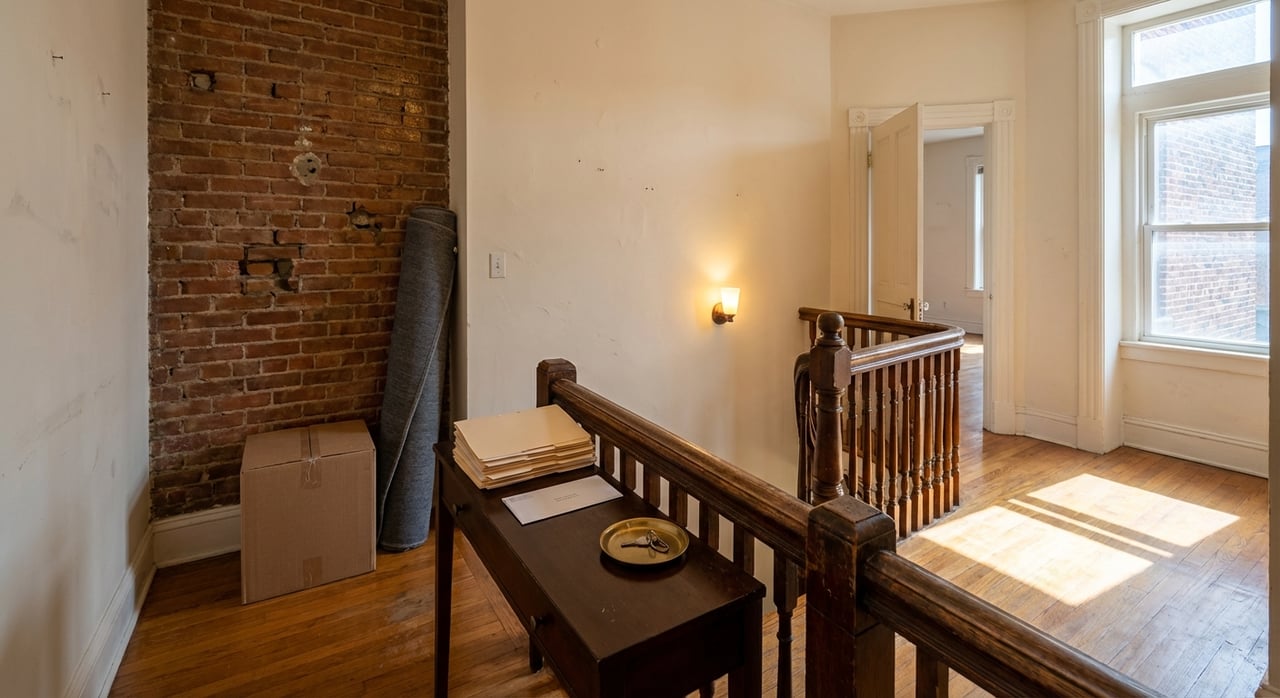
Losing a loved one is hard enough. Figuring out how to sell their Brooklyn Heights townhouse can feel like a second full-time job. You want to do right by your family, move through the legal steps correctly, and still bring the home to market in its best light. This guide walks you through the process from probate to closing, with local tips that keep your timeline, budget, and peace of mind front and center. Let’s dive in.
First decisions and authority to sell
Confirm how the title was held
Start by checking the deed and any trust documents. If the townhouse was in the decedent’s name alone, you will likely need a probate or administration case in Surrogate’s Court before you can sell. New York’s simplified small-estate process does not cover a house titled solely in the decedent’s name. You can review the state’s small-estate rules to confirm eligibility on the court’s site at NY CourtHelp.
If the property was owned in a trust or with rights of survivorship, title may pass outside of probate. In that scenario, you would follow the trust or survivorship documents to determine who can sign the contract of sale.
Open the right Surrogate’s Court file
For Brooklyn properties, filings go through Kings County Surrogate’s Court. The court issues Letters Testamentary (for an executor named in a will) or Letters of Administration (if there is no will). Those letters formally authorize you to act for the estate. For local contacts and general procedures, use the NYC Surrogate’s Court overview.
Know your power to sell
New York law gives estate fiduciaries broad powers to manage and sell real property unless a will or court order limits that power. You can review the statutory powers in EPTL §11‑1.1. Read the will and your Letters carefully. If the property was specifically left to a beneficiary or there are objections, you may need a court petition before closing.
When small‑estate shortcuts do not apply
Why the small‑estate route rarely fits
New York’s voluntary administration is designed for modest estates with limited personal property. Real property titled solely in the decedent’s name removes eligibility. If a Brooklyn Heights townhouse is in the decedent’s name, plan on a standard probate or administration case. The state explains these limits on the small-estate guidance page.
The exceptions to look for
- Joint ownership with right of survivorship
- Title held in a revocable trust
- Certain beneficiary designations on non-real estate assets
These can transfer outside probate. Verify by reading the deed and trust language or by checking county records.
Taxes, liens, and what affects your net
Step‑up in basis and capital gains
Inherited property usually takes a basis equal to fair market value at the date of death. If the estate or an heir sells later, capital gains are measured from that value. See the IRS rules in Publication 551. A current appraisal helps establish the basis and supports both tax reporting and pricing.
Estate tax filing tests
Whether a federal estate tax return is required depends on the gross estate and the filing threshold for the year of death. The IRS explains who must file on its Estate Tax page. New York also has its own estate tax with a lower exclusion and a well-known “cliff,” so large estates should consult an advisor early.
The New York estate‑tax lien release
New York places an automatic estate‑tax lien on real property as of the date of death. To convey clear title, the executor typically must obtain a release of lien from the NYS Tax Department by filing Form ET‑117 with the correct supporting forms. Plan ahead. The Tax Department notes that processing a complete application takes several weeks. Learn more on the NYS estate‑tax lien release page.
Transfer taxes and mansion tax at closing
At closing, most New York City sales trigger transfer taxes. New York State charges a basic transfer tax, and New York City charges a separate Real Property Transfer Tax. For typical 1–3 family residential transfers in NYC, city rates are 1.0 percent at or below $500,000 and 1.425 percent above $500,000. New York State also imposes a 1 percent “mansion tax” on residential sales of $1,000,000 or more. You can review the city rules on the NYC RPTT page and state background on the NYS transfer tax page.
Other items to confirm
- NY withholding for nonresidents and related forms
- Payoffs for mortgages, judgments, or liens
- Any escrow for repairs or open violations
Your title company and estate attorney will help assemble the right paperwork.
Local rules that shape prep and pricing
Landmark approvals in Brooklyn Heights
Much of the neighborhood sits inside the Brooklyn Heights Historic District. Exterior work that changes the look of the house, including many windows, stoops, and roof elements, may require a Landmarks Preservation Commission permit. Before you touch the facade, confirm what is allowed. The Brooklyn Heights Association highlights the area’s landmark context in its landmarking coverage.
Building records and violations
For townhouses with past conversions to multiple units, check the Certificate of Occupancy and Department of Buildings records. Open violations or illegal alterations can slow a sale or limit buyer financing. Order municipal searches early so you have time to cure issues or plan an escrow.
Tenants and rent‑regulated units
If the townhouse has tenants, especially rent‑stabilized tenants, factor that into timing and valuation. Regulated tenancies can narrow the buyer pool and limit renovation options. Engage a landlord‑tenant attorney early if needed.
Lead‑based paint disclosures
If the building was built before 1978, federal lead‑paint disclosure rules apply. Make sure you provide the required forms and any available records of recent work.
Pricing and positioning in this market
Brooklyn Heights remains a high-demand brownstone market, with buyers who value historic character and quality upgrades. Media coverage of recent broker reports shows this pocket, including DUMBO and Cobble Hill, has seen strong median pricing relative to much of Brooklyn. For context, see local press summarizing recent reports on Brooklyn pricing trends. Final pricing should rely on fresh, block-level comps and the home’s layout, condition, and legal use.
Executor checklist: from paperwork to photos
Use this list to move the sale forward with fewer surprises.
-
Authority and legal setup
- Locate the will or trust and confirm who can act.
- File in Kings County Surrogate’s Court and obtain Letters. See the court overview.
- Review the will and EPTL §11‑1.1 to confirm your power to sell.
-
Title and tax readiness
- Order a title report and municipal searches.
- Apply for the NY estate‑tax lien release if required. See NYS release guidance.
- Get an appraisal to support basis, pricing, and any court filings. See IRS Publication 551 on basis.
-
Property preparation
- Walk the house for safety and major system issues first: roof, water intrusion, mechanicals.
- For exterior items in the historic district, confirm what the LPC will allow before you spend.
- Schedule a professional cleanout and light staging to highlight volume, light, and character.
-
Disclosures and documents
- Assemble lead‑paint disclosure for pre‑1978 homes.
- Gather past permits, warranties, and maintenance records.
- Prepare transfer tax and recording paperwork with your attorney and title company. City details are on the NYC RPTT page and state background is on the NYS transfer tax page.
Listing strategies that work
- As‑is estate sale. Fastest route when you want a clean handoff. Expect a price that reflects buyer risk and any open issues.
- Market‑prep sale. Selective repairs and staging usually produce a stronger result in Brooklyn Heights, where buyers pay up for turnkey condition.
- Family transfer. If a beneficiary is the buyer, document consents and terms carefully with counsel.
- Court‑authorized sale. If the will or facts require court approval, your attorney will prepare a petition with appraisal, contract, and notices.
Sample timeline to keep you on track
- Weeks 0 to 2: Confirm who can act, gather deeds and trust documents, start Surrogate’s Court filing if needed.
- Weeks 2 to 8: Receive Letters, order appraisal, pull title and municipal searches, start the estate‑tax lien release if required.
- Weeks 2 to 12: Cleanout, selective repairs, staging, professional photography, list the property, review offers.
- Weeks 4 to 16: Buyer due diligence, cure violations or finalize escrows, obtain lien release, close.
What to expect at closing
Plan for standard closing costs and taxes, which vary by price and property type. These typically include real estate commission, title charges, New York State and City transfer taxes, and recording fees. If there is a mortgage, judgments, or liens, those get paid from proceeds. If the estate will owe federal or state estate tax, those payments are separate from transfer taxes and must be handled with your tax advisor. The closing cannot proceed until any required New York estate‑tax lien release is in place or a title-approved escrow is set up.
Selling an inherited townhouse in Brooklyn Heights has many moving parts, but you do not have to carry them alone. With the right plan, clear documents, and smart market prep, you can protect the estate and still present the home at its best. If you would like an end‑to‑end partner for cleanouts, staging, pricing, and coordination with counsel and title, connect with Ronit Abraham to request a complimentary market or probate consultation.
FAQs
What documents do I need to sell an inherited Brooklyn Heights townhouse?
- Letters Testamentary or Letters of Administration, the deed, photo ID, appraisal, title report, required disclosures, and any New York estate‑tax lien release if applicable.
Do I need probate if the home was in my parent’s name only?
- In most cases yes, because New York’s small‑estate process does not cover a house titled solely in the decedent’s name; plan on probate or administration in Kings County.
How long does it take to get Letters in Kings County?
- Timelines vary, but uncontested cases often take weeks to a few months; check the NYC Surrogate’s Court overview or ask your attorney about current timing.
What is a New York estate‑tax lien release and why does it matter?
- New York places a lien on real property at death; you typically must obtain a release from the Tax Department before closing, so start early using ET‑117 guidance.
Who pays NYC transfer taxes in an estate sale?
- It is negotiated in the contract, but state and city returns must be filed; see the NYC RPTT page for rates and filing basics.
Do I need Landmarks approval before exterior work on a Brooklyn Heights townhouse?
- Often yes; many exterior changes in the historic district require LPC approval, so confirm rules before you paint, replace windows, or alter the facade, and review local context from the Brooklyn Heights Association.