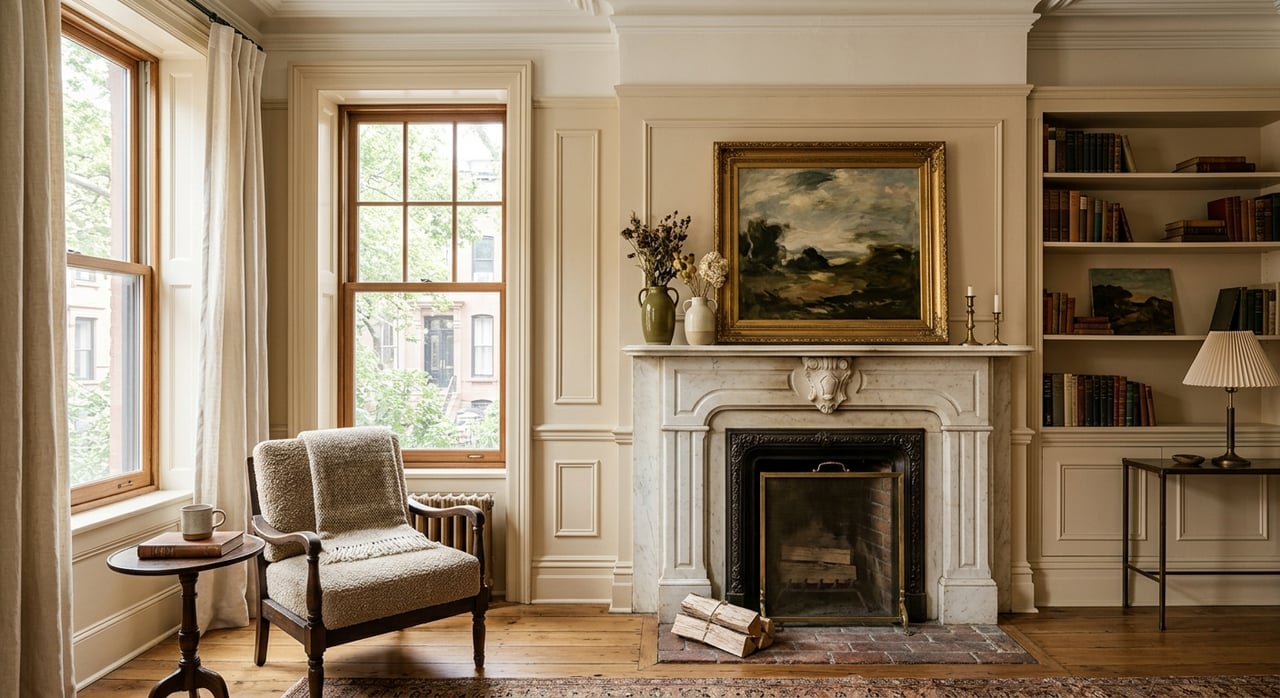
If you own a West Village townhouse, you already know it is not just another listing. Original staircases, fireplaces, moldings, windows, and facade details can shape how buyers respond the moment they walk in. When you prepare the house the right way, those historic details become part of the value story instead of a hurdle. Let’s dive in.
Why historic details matter
In the West Village, preservation context is a real part of the selling process. Properties here may fall within several different Landmarks Preservation Commission designations, including the Greenwich Village Historic District, its extensions, and the Weehawken Street Historic District. Because of that, parcel-specific status matters, and owners often need to confirm exactly how their property is designated.
That preservation framework helps explain what buyers notice. The neighborhood is defined by a mix of Federal row houses, later rowhouses, tenements, warehouses, stables, and mixed-use waterfront buildings. In this setting, original facades, windows, stairs, and trim often read as meaningful character features, not outdated elements.
Start with the features buyers want to see
When you sell a historic townhouse, your first job is to reveal what makes it special. The most important interior elements often include the basic floor plan, entry halls and parlors, the main staircase, fireplaces and mantelpieces, window and door trim, baseboards, picture rails, cornices, doors, windows, historic floors, and distinctive hardware.
That means presentation matters as much as condition. If original elements are intact, the goal is usually to frame them clearly rather than hide them behind heavy decor, unnecessary replacements, or overly trendy updates. Buyers should be able to understand the house at a glance.
Focus on visual clarity
Clean sightlines can make historic architecture feel more valuable and more livable. A parlor with visible moldings, a stair hall that feels open, or a fireplace that is not crowded by furniture can help buyers connect with the home’s scale and craftsmanship.
Simple choices can go a long way:
- Remove bulky furniture that blocks trim or window proportions
- Edit accessories so mantelpieces and millwork stand out
- Use light window treatments to preserve natural light
- Arrange rooms to support the original flow of the house
Avoid over-restoring before listing
It can be tempting to make a historic townhouse feel newer before it hits the market. In many cases, that is not the best move. Preservation guidance recommends retaining distinctive materials and avoiding additions that create a false sense of history.
In practical terms, that means you should be careful about adding period-style details that were not originally there, replacing intact materials just for cosmetic reasons, or over-modernizing rooms that still have historic fabric. Buyers looking at a West Village townhouse are often responding to authenticity.
What usually is worth doing
The safest pre-sale work is often routine maintenance and light cosmetic repair. That may include inspections, careful cleaning, touch-up painting, weatherproofing, and in-kind fixes that do not change the building’s character.
Maintenance is also one of the most cost-effective preservation steps. If you have completed work over time, it helps to keep a written record. Deferred maintenance can lead to rushed repairs, and rushed repairs are often the ones that create avoidable problems before a sale.
Handle windows with care
Old windows are one of the most common seller concerns. Many owners wonder if they need to replace them before listing. Usually, the better first step is repair and weatherization.
Historic windows can often be improved with caulking, weatherstripping, reglazing, and storm windows. Replacement is generally the fallback when repair is no longer practical. If replacement becomes necessary, the new unit should closely match the historic window’s design, proportions, and visual qualities.
Why this matters for resale
Windows shape both curb appeal and interior light. In a townhouse, they affect how the facade reads from the street and how rooms feel inside. Preserving original character where possible can help maintain the architectural consistency buyers expect in the West Village.
Be conservative with facade work
Exterior presentation matters, but historic masonry and woodwork need a gentle approach. For facades, the preservation default is typically low-pressure water or steam where appropriate, plus compatible mortar for repointing.
Abrasive cleaning and harsh paint removal can permanently damage historic surfaces. If you are trying to improve curb appeal before listing, conservative treatment is usually the smarter route. A townhouse should look cared for, not stripped of its age and texture.
Smart exterior priorities
Before listing, exterior work is often most effective when it focuses on:
- Cleaning with gentle methods
- Addressing obvious maintenance issues
- Repointing masonry with compatible materials where needed
- Repainting woodwork carefully in a way that protects historic material
Know when LPC approval may apply
In the West Village, exterior work may require Landmarks Preservation Commission approval even when a Department of Buildings permit is not required. For a landmarked townhouse or a house within a historic district, LPC permits are required for exterior restoration, alteration, reconstruction, demolition, or new construction.
This is one reason pre-listing planning matters. If you start exterior work too late or hire the wrong vendor, your timeline can stretch quickly. For sellers on a schedule, permit awareness can help prevent last-minute surprises.
What may be allowed in emergencies
LPC guidance allows certain temporary emergency measures, such as boarding windows or doors, removing immediately dangerous facade elements, replacing broken glass or hardware in kind, caulking, repainting in the same color, and low-pressure washing. Permanent repairs still require approval.
That distinction is important if you are preparing for market and trying to solve visible issues quickly. Temporary measures may stabilize a condition, but they do not replace proper planning for long-term work.
Build the right vendor team
Historic homes are not ideal places for guesswork. Preservation guidance recommends involving qualified historic preservation professionals early, and contractors should have experience with historic buildings and preservation treatments.
For sale preparation, that often means using a practical, coordinated team. Depending on the property, you may need:
- A preservation-savvy architect or consultant
- An LPC-experienced contractor
- A window or masonry specialist
- A painter who understands older surfaces
- A cleanout crew
- A stager who works around original details rather than covering them up
The right team can protect the house’s character while also keeping your listing timeline realistic.
Stage the rooms that carry the story
Staging still matters in a historic townhouse. In the 2025 Profile of Home Staging, 83% of buyers’ agents said staging made it easier for buyers to visualize the home as their future home. The living room ranked as the most important room to stage, followed by the primary bedroom and kitchen.
In a West Village townhouse, that often points to the parlor or living room, stair hall, dining room, and primary suite as the highest-impact spaces. These are usually the rooms where architecture and daily living meet most clearly.
How to stage without flattening the character
The best staging approach is often edited, not overdone. You want furniture that matches the scale of the rooms, supports easy circulation, and lets moldings, fireplaces, and stair details stay visible.
Keep these staging principles in mind:
- Let the parlor feel open and legible
- Use room-sized furniture, not pieces that crowd the architecture
- Highlight fireplaces and mantelpieces instead of decorating over them
- Keep the stair hall clear so buyers can appreciate the layout
- Use light window treatments that show proportions and daylight
Create a selling strategy around authenticity
A West Village townhouse does not need to pretend to be brand new. In many cases, the stronger strategy is to present it as well-maintained, visually clear, and true to its historic character. Buyers can often tell the difference between thoughtful preparation and cosmetic overreach.
That is especially true when a property has legacy features that cannot be easily recreated. Original floor plans, stairs, trim, floors, hardware, and facade details help buyers understand why the home belongs in this neighborhood and why it stands apart from more generic inventory.
If you are preparing to sell, the best path is usually part preservation, part presentation, and part logistics. With the right planning, you can protect the details that matter and still bring the house to market in a polished, compelling way.
If you want hands-on guidance for a townhouse sale that needs thoughtful prep, vendor coordination, staging support, or a calm strategy from start to finish, Ronit Abraham can help.
FAQs
Do I need to replace old windows before selling a West Village townhouse?
- Usually not. Repair and weatherization are generally the first steps, and replacement is typically the fallback when repair is no longer practical.
Do West Village townhouse exterior repairs need LPC permits?
- Often yes. For landmarked properties or homes in a historic district, LPC approval is required for many types of exterior work, even when a DOB permit is not required.
Which historic townhouse rooms matter most for staging?
- The highest-priority rooms are usually the parlor or living room, primary bedroom, and kitchen, with the stair hall and dining room often playing an important supporting role in a townhouse.
What historic interior details should sellers preserve in a West Village townhouse?
- Key features often include the floor plan, entry hall, parlor, main staircase, fireplaces, mantelpieces, trim, baseboards, cornices, doors, windows, historic floors, and distinctive hardware.