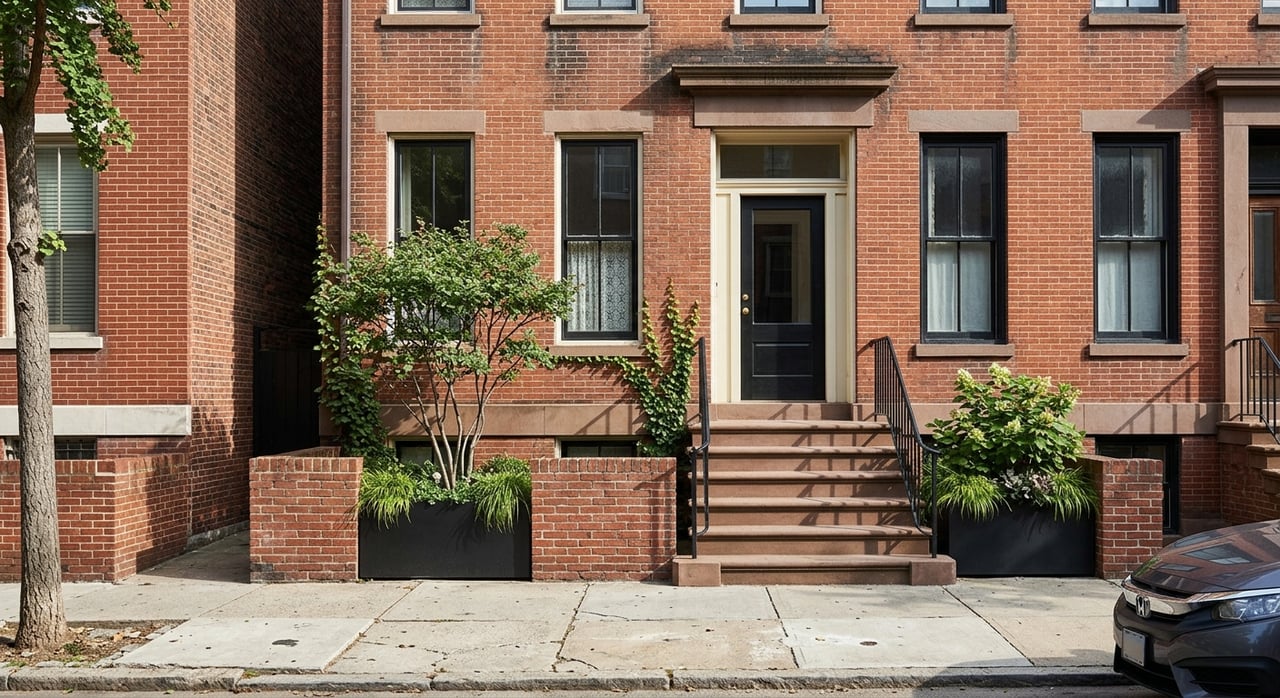
Selling an estate home in Park Slope can feel like balancing family decisions, building rules, and a long to-do list all at once. If the property is a brownstone, row house, or older masonry home, you may also be dealing with historic district review, repair questions, and disclosure rules that are not always straightforward. The good news is that with the right plan, you can prepare the home thoughtfully, avoid costly missteps, and move toward market with more confidence. Let’s dive in.
Start With Authority And Property Status
Before you schedule repairs or begin clearing out the house, confirm who has the authority to act for the sale. In estate situations, that first step matters because the transfer structure can affect how the transaction is handled, including whether certain disclosure requirements apply.
You also want to confirm whether the address is within the Park Slope Historic District. The NYC Landmarks Preservation Commission map for Park Slope shows the district boundaries, and LPC advises owners who are unsure to call 311. This is especially important in Park Slope, where many homes are older row houses and flats buildings built from the mid-19th to early 20th century.
Know Why Historic District Status Matters
If the home is in a landmarked historic district, exterior work often requires LPC review. According to the LPC permits and alterations guidance, most facade changes need review, even if the work seems modest.
That does not mean every task becomes complicated. Ordinary maintenance such as replacing broken window glass, repainting to match the current color, or caulking around windows and doors generally does not require LPC review. But if the work also needs a DOB permit, LPC review is still required.
Build A Smart Estate Sale Plan
When you are preparing a Park Slope estate home for sale, order matters. A practical sequence is to confirm authority and landmark status, clear the home, identify repair and compliance issues, decide which updates are truly sale-critical, and then move into photography, staging, and listing preparation.
That kind of sequence helps you avoid spending money in the wrong place. It also gives you a cleaner decision-making framework, especially if multiple heirs or family members are involved.
Clear The House Before Pricing Improvements
A full estate cleanout often reveals the real condition of the property. Once furniture, stored items, and personal belongings are removed, it becomes much easier to assess walls, floors, windows, plumbing fixtures, and signs of water penetration or deferred maintenance.
For many sellers, this is the point where the home shifts from emotional family property to marketable asset. It also creates a better foundation for contractor walkthroughs, staging decisions, and listing photography.
Separate Cosmetic Work From Sale-Critical Repairs
Not every estate home needs a major renovation before listing. In many cases, your goal is to focus on work that improves presentation, addresses obvious condition concerns, and avoids buyer hesitation without triggering unnecessary delays.
The NYC DOB permit guidance notes that some minor work can often be done without a DOB permit, including painting, plastering, installing new cabinets, replacing plumbing fixtures, resurfacing floors, and non-structural roof repair. That can make a big difference when you need practical improvements without launching a larger construction project.
Watch For Older-Home Risks
Park Slope estate properties are often older buildings, so hazard checks matter. If painted surfaces will be disturbed in a pre-1960 building, NYC Health recommends lead-safe work practices because older properties may still contain lead paint.
Asbestos is another key issue. The NYC DEP asbestos abatement guidance says owners planning renovation, alteration, or demolition must obtain an asbestos survey from a DEP-certified investigator, and if asbestos-containing material will be disturbed, the project must be filed with DEP at least seven days before work begins.
Avoid Permit And Review Surprises
One of the biggest estate-sale mistakes is starting work before understanding whether permits or LPC review are needed. A project that seems simple at first can become more involved if it affects exterior features, requires DOB review, or disturbs building materials that trigger asbestos rules.
That is why timing should be measured in weeks, not days. DEP notice periods, DOB review, and LPC correspondence can all affect your listing schedule, especially if the property needs more than light cosmetic preparation.
Understand The New York Disclosure Rules
New York disclosure rules are changing, and estate sellers should pay close attention. The current New York Property Condition Disclosure Statement materials indicate that the form is required beginning July 1, 2025 for one- to four-family dwellings, while condo units and co-op apartments are excluded.
The form asks about issues such as floodplain status, flood insurance history, asbestos in the structure, lead plumbing, water penetration or flood damage, and defects involving the foundation, chimney, fireplace, heating, hot water, smoke detectors, and carbon monoxide detectors. The form is based on the seller’s actual knowledge, is not a warranty, and is not a substitute for inspections or tests.
Estate sales can be different. Under New York Real Property Law Section 463, reflected in the DOS form, transfers by a fiduciary in the course of administering a decedent’s estate may be exempt. The law also allows as-is sales. Because the exact transfer structure matters, it is important to confirm how your particular sale is being handled before assuming the form does or does not apply.
Decide What Buyers Need To See
In a Park Slope estate home, buyers are often evaluating both condition and potential. That means your preparation strategy should help them see the scale, layout, light, and architectural character of the property without being distracted by clutter, deferred maintenance, or unclear repair history.
This is where targeted prep usually works best. Clean rooms, repaired surfaces, functioning systems, and a clear presentation often do more for marketability than over-improving a home right before sale.
Focus On Presentation Last
Once the house is cleared, key repairs are complete, and any permit-sensitive issues are understood, you can move into the final marketing phase. That usually includes staging, photography, and pricing strategy based on the home’s condition, location, and selling format.
In estate sales, this phase works best when it follows the earlier groundwork. Listing too early can create avoidable friction, while waiting until the home is clean, safe to access, and visually ready helps you present it with confidence.
Why Coordination Matters In Estate Sales
If you are an out-of-town executor, one of several heirs, or simply trying to manage a sale during a difficult family transition, coordination can be just as important as pricing. Access for vendors, cleanout timing, repair bids, and permit-sensitive work all need to happen in the right order.
That is especially true in Park Slope, where historic district status, older-house conditions, and sale preparation often overlap. A hands-on approach can help you keep the process moving while reducing the chance of delays from overlooked building rules or last-minute repair discoveries.
Preparing an estate home for sale is rarely just about cleaning up and putting it on the market. In Park Slope, it often means understanding historic district rules, planning repairs carefully, and making informed choices about what to fix, what to disclose, and when to list. If you want steady, experienced guidance through a Park Slope estate or inherited property sale, Ronit Abraham offers the hands-on support, vendor coordination, and probate-focused insight that can help you move forward with clarity.
FAQs
What should you do first when preparing a Park Slope estate home for sale?
- Start by confirming who has legal authority to act for the sale and whether the property is located within the Park Slope Historic District.
Does a Park Slope historic district home need approval for exterior work?
- Many exterior changes require LPC review, while some ordinary maintenance items may not.
What repairs can often be done without a DOB permit in NYC?
- Minor work such as painting, plastering, installing new cabinets, replacing plumbing fixtures, floor resurfacing, and some non-structural roof repair can often be done without a DOB permit.
Do older Park Slope homes raise lead or asbestos concerns?
- Yes. Pre-1960 buildings may contain lead paint, and renovation or alteration work may require an asbestos survey if materials will be disturbed.
Does a New York estate sale always require a Property Condition Disclosure Statement?
- No. Estate-related transfers handled by a fiduciary may be exempt, so the exact transfer structure should be confirmed before assuming the form is required.
How long does it take to prepare a Park Slope estate property for sale?
- It is usually best to plan in weeks rather than days because cleanout, repair decisions, asbestos notice periods, permit review, and LPC review can all affect timing.