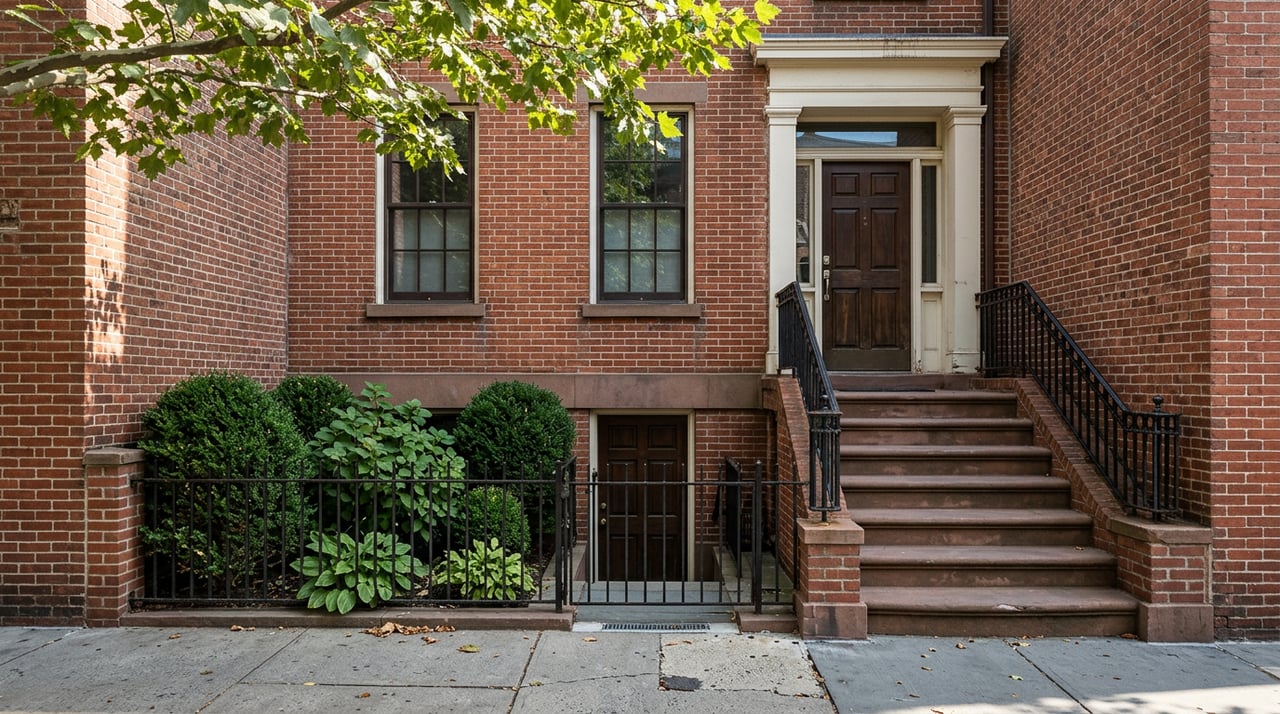
You have your heart set on a Brooklyn brownstone. Now you are weighing two of the city’s most beloved historic neighborhoods: Fort Greene and Clinton Hill. Both offer tree‑lined streets, landmarked architecture, and a strong sense of place. In this guide, you will see how they differ by block character, transit, budgets, and the day‑to‑day experience so you can choose with confidence. Let’s dive in.
Fort Greene vs. Clinton Hill at a glance
Fort Greene highlights
Fort Greene centers around 30‑plus acres of Frederick Law Olmsted and Calvert Vaux–designed green space at Fort Greene Park. You are a short walk to cultural anchors like BAM, and you have quick access to Atlantic Terminal and Barclays Center for major transit and regional rail. Commercial life is dense along Fulton, DeKalb, and Lafayette, so everyday errands and dining are close.
Clinton Hill highlights
Clinton Hill feels more residential on many blocks, with a distinctive arts and academic presence tied to Pratt Institute’s 25‑acre campus. You will find stretches of larger homes along Clinton Avenue and a calmer, leafy cadence on many side streets. The neighborhood’s scale and campus greens give it a quieter feel in parts.
Architecture and block character
Both neighborhoods sit within landmarked historic districts that protect façades, stoops, and the rhythm of the streetscape. Fort Greene’s district preserves many Italianate, Neo‑Grec, and Second Empire rowhouses largely built from the mid‑1850s to the 1870s. If you want a classic parlor‑floor layout and stoop, you will find a strong inventory here. You can read more in the Fort Greene Historic District overview.
Clinton Hill’s district spans a wider range of eras, from the 1840s through the 1920s, and includes both brownstone rows and larger freestanding mansions, especially along Clinton Avenue. This variety can offer larger lot depths on certain blocks and a distinctive architectural mix. See the Clinton Hill Historic District summary for context.
What this means for you: Fort Greene blocks near the park often feel more active and closer to dining and culture. Clinton Hill often feels a touch quieter and more residential, with some blocks that offer larger gardens. Your experience will vary by exact street and blockface, so plan to tour at different times of day.
Transit and daily life
Getting around
If you value a direct, fast Manhattan commute or regional rail, Fort Greene holds an edge. At Atlantic Avenue–Barclays Center, you can connect to multiple subway lines plus the LIRR. Clinton Hill is served by the G train at stops like Clinton–Washington and Classon Avenues. The G line does not run into Manhattan, so you typically transfer for Manhattan access, but it is excellent for crosstown travel.
Schools, parks, and amenities
Fort Greene Park is the neighborhood’s signature green hub, with community events and everyday recreation at Fort Greene Park. Clinton Hill offers smaller parks and a campus‑green vibe near Pratt. Families should note that New York City public school placements are address‑dependent and complex. For zoned and choice options, start with NYC DOE guidance through MySchools and enrollment support.
What your budget buys
Recent neighborhood snapshots show a higher baseline in Fort Greene compared to Clinton Hill when looking at all home types together, with Fort Greene around the low two millions and Clinton Hill nearer to the low one millions. These medians cover condos, co‑ops, multi‑family, and houses. Use them only as rough neighborhood context, not as townhouse‑specific pricing.
Townhouse pricing moves widely with width, lot depth, legal unit count, renovation level, and exact block. Local reporting frequently features Fort Greene brownstones from roughly the mid‑one millions to six million and up, while Clinton Hill often has options at the lower end of that spectrum for similar condition and width. For a feel of current bands and finishes, browse Brownstoner’s recent roundups of featured Brooklyn open houses and townhomes.
Practical tip: if you prefer move‑in‑ready, expect to compete at a premium in either neighborhood. If you are open to renovating, you may access better value or a larger footprint, especially on quieter Clinton Hill blocks.
Ownership, renovation, and permits
Historic brownstones often need meaningful investment. Common items include mechanical upgrades, electrical capacity increases, roof and flashing work, masonry and stoop repairs, and cellar waterproofing. Renovation budgets vary widely, but major projects can reach several hundred dollars per square foot across a multi‑level house. Get site visits and contractor bids early.
Both neighborhoods include NYC historic districts. Exterior work on façades, stoops, and areaways typically requires Landmarks Preservation Commission review and approvals. That adds time and design standards, which you should plan into your budget and timeline. For preservation context in Fort Greene, see the Historic Districts Council resource.
Quick inspection focus for a first‑time brownstone purchase:
- Structure and foundation, including joists and cellar drainage.
- Roof, gutters, chimneys, and flashing.
- Building envelope and masonry, including stoop and brownstone repairs.
- Mechanical systems: boiler, hot water, electrical service, and plumbing stacks.
- Zoning and unit legality, rear‑yard size, and any prior conversions.
- Landmarks permit history and any open violations.
Which neighborhood fits you
Choose Fort Greene if you:
- Want rapid subway connections and LIRR access at Atlantic Terminal.
- Prefer a short walk to dense dining, culture, and events around the park and BAM.
- Plan to resell to buyers who prioritize direct Manhattan commutes.
Choose Clinton Hill if you:
- Prefer quieter, residential blocks with some larger lots and deeper gardens.
- Value an arts and academic vibe linked to Pratt’s campus greens.
- Want a slightly lower median baseline to enter the brownstone market.
Your next steps
- Walk the blocks at different times of day to confirm street feel and noise.
- Rank your commute needs. If you need one‑seat rides or LIRR, Fort Greene may fit. If you value crosstown service and calmer streets, weigh Clinton Hill.
- Set a purchase and renovation budget. Include a contingency for systems and exterior work.
- Run school‑zoning checks for exact addresses using NYC DOE resources.
- Pull landmarks permit history and plan for LPC timelines if doing exterior work.
- Work with a local townhouse specialist to source block‑level comps and to coordinate inspections, contractor walk‑throughs, and permits.
If you are ready to compare specific blocks and brownstones, connect with Ronit Abraham for a tailored search, LPC‑savvy guidance, and a step‑by‑step plan from tour to closing.
FAQs
What is the main difference in transit between Fort Greene and Clinton Hill?
- Fort Greene has Atlantic Terminal for multiple subway lines and the LIRR, while Clinton Hill relies on the G line for crosstown service with transfers for Manhattan.
How do Fort Greene and Clinton Hill brownstone prices typically compare?
- Neighborhood medians suggest Fort Greene runs higher overall, while Clinton Hill often offers a lower baseline; townhouse prices vary widely by width, condition, units, and block.
Are exterior renovations restricted in these neighborhoods?
- Yes. Both include landmarked districts, so exterior changes usually require LPC review and approvals, which affect cost and timeline.
Which neighborhood feels quieter on average for day‑to‑day living?
- Clinton Hill often has calmer, more residential blockfaces, while Fort Greene tends to feel livelier near commercial corridors and cultural venues.
How should I evaluate a brownstone’s renovation needs before making an offer?
- Arrange a thorough inspection, review landmarks permits, get contractor estimates for systems and masonry, and confirm zoning and unit legality for the address.