Buying a Fort Greene multi-family is rarely just about the numbers. In this part of Brooklyn, you are often evaluating a historic rowhouse or walk-up where legal use, tenant status, and renovation limits can matter as much as rent potential. If you want to make a smarter decision, this guide will help you focus on the checks that matter most before you underwrite, negotiate, or plan improvements. Let’s dive in.
Fort Greene multi-family basics
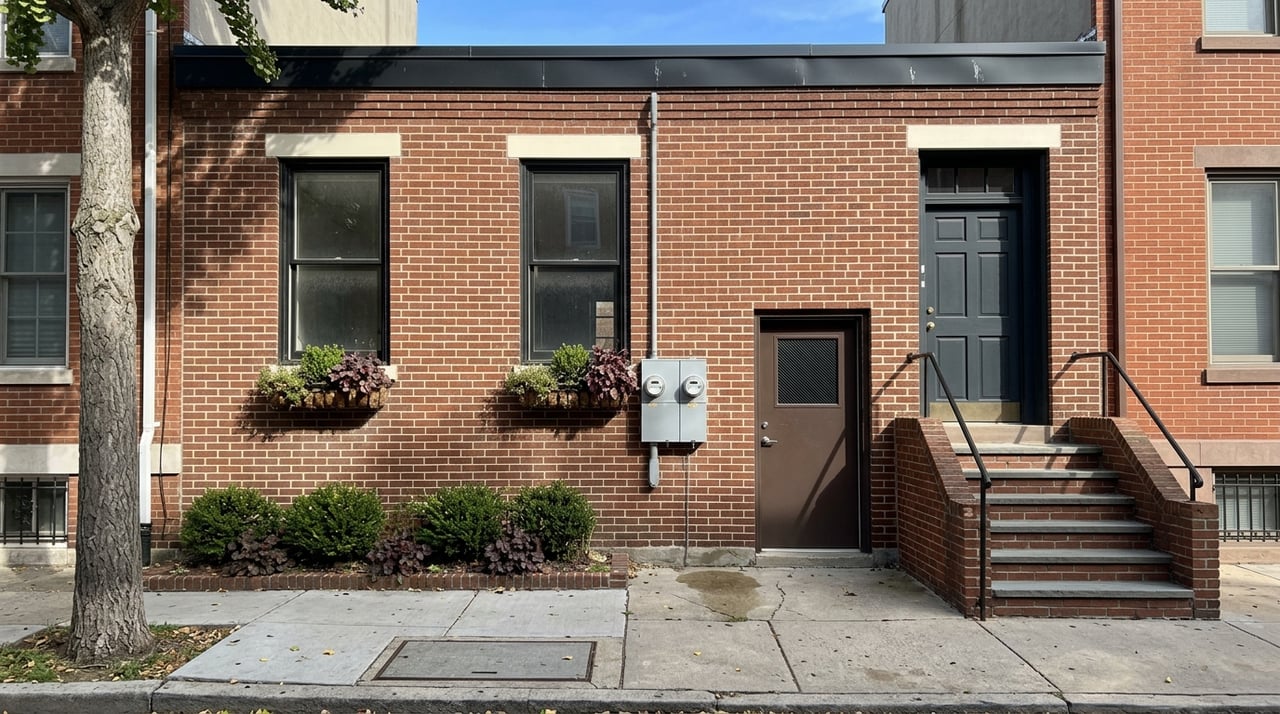
Fort Greene is not a market defined by large apartment towers. It is better known for its preservation-heavy streetscape, with many three- to five-story brownstone row houses, mixed with one- and two-family homes, multi-family buildings, mansions, and low-rise retail corridors.
That matters because your evaluation process should usually start with a small multifamily lens. In Fort Greene, that often means a townhouse, rowhouse, or walk-up asset where layout, legal unit count, and building condition play a bigger role than amenities you might expect in a larger building.
Why Fort Greene pricing needs context
Fort Greene remains a premium market, but pricing can vary sharply by property type. May 2026 data showed a median sale price of $1.6 million and a median price per square foot of $1,076, while another neighborhood snapshot showed a $1.7 million median sale and a $4,500 median base rent.
The bigger takeaway is that product type matters. In the same May 2026 data, condos posted a median of $1.5 million, co-ops $1.3 million, and houses $3.0 million, which shows why you cannot evaluate a small multifamily property using broad neighborhood averages alone.
Start with legal use and occupancy
Before you model rents or future value, verify the building’s legal use. In New York City, the Certificate of Occupancy states the legal use and occupancy of a building, and when use or occupancy changes, an updated or amended CO may be required.
This is one of the first places buyers get tripped up. A layout that looks like a three-unit building may not always be legal as three units, so your underwriting should be based on what the building is legally allowed to contain, not just what is physically there today.
Check the legal unit count carefully
For a Fort Greene brownstone or walk-up, the legal unit count can affect financing, valuation, insurance planning, and renovation options. It also shapes whether your income assumptions are realistic.
If you are comparing two similar buildings, the one with clearly documented legal occupancy may be the safer buy, even if the sticker price is higher. Certainty can protect you from expensive surprises later.
Review rent status before assuming upside
Some Fort Greene buildings are still affected by rent regulation, and that can significantly change the investment picture. In New York, rent stabilization regulates rents, services, leases, and evictions, and certain buildings with six or more units built between 1947 and 1973 are part of the classic pattern, though some newer buildings may also be stabilized through tax-benefit programs.
If a property has tenants in place, do not assume you can quickly raise rents to market levels. You need to verify the rent history and review any rent-stabilization notices before treating vacancy or turnover as part of your upside case.
Ask better tenant questions
A seller rent roll is useful, but it is not enough on its own. For an occupied multi-family, you want to understand current rents, lease structure, and whether any units are subject to rules that limit rent increases.
This step is especially important in Fort Greene, where the appeal of a charming older building can distract buyers from the legal details. Stable tenancy can be a strength, but only if you underwrite it honestly.
Understand Fort Greene landmark constraints
A large part of Fort Greene is landmarked, and that changes how you should think about renovations. In landmarked areas, many exterior changes to front and rear facades require review by the Landmarks Preservation Commission.
That does not mean you cannot improve a building. It does mean you should plan around likely approvals from the start, instead of designing an ambitious project first and discovering later that the exterior work is not likely to move forward as imagined.
What usually triggers review
In practice, owners in Fort Greene often seek approval for projects such as rear-façade window modifications, rear-yard additions, rooftop additions, and rear-façade reconstruction. These are common enough to show what buyers should study when they are evaluating future potential.
By contrast, ordinary repairs like replacing broken window glass or repainting to match the existing color generally do not require a permit from LPC. Interior work is also usually outside LPC review unless it affects the exterior or involves an interior landmark.
Budget for permits and building compliance
Even if your project seems modest, New York City permit rules still matter. Most construction requires a permit, and many kitchen and bathroom renovations require an ALT2 filing by a Professional Engineer or Registered Architect.
If plumbing changes alter piping, a Licensed Master Plumber and permit are required. Electrical installation work also requires an electrical permit. These details can affect both timeline and budget, so they belong in your early underwriting, not as an afterthought.
Older buildings often need deeper reserves
Fort Greene’s older housing stock can be a major asset, but it can also mean more capital work. For many small multifamily properties, the most important line items are often roofs, masonry, windows, building systems, and lead-safe work practices.
These areas are where age, permit requirements, preservation review, and habitability concerns tend to meet. If the numbers only work when you ignore these costs, the deal may not be as strong as it first appears.
Do not overlook lead-paint rules
Lead-paint compliance is a major issue in older New York City buildings, and Fort Greene has many older properties. Buildings built before 1960, and some built between 1960 and 1978 if the owner knows there is lead paint, are subject to lead-based-paint rules.
Owners must presume paint is lead-based until testing shows otherwise, inspect for hazards, address those hazards, and use safe work practices where required. For buyers evaluating a small multifamily, this is not a minor footnote. It can be a real operational and capital consideration.
Evaluate value beyond unit count
In Fort Greene, long-term value is often about more than the number of apartments. Scarcity, architecture, transit access, and proximity to major neighborhood institutions all help support demand.
This tends to favor well-maintained buildings with legally usable extra units and solid documentation. A property with modest current income but clear legal status and manageable improvement paths may outperform a more aggressive deal that depends on uncertain approvals or tenant turnover.
Appreciation can reward patience
Fort Greene’s value story has also been supported by long-term resale performance. One 2025 resale study reported a median resale gain of $272,538 in Fort Greene across 52 resales, while Brooklyn’s two- to three-family inventory showed a median gain of $439,000.
Those figures should not be treated as a guarantee for any one property, but they do support a bigger point. In Brooklyn, small multifamily assets can hold equity well, especially when buyers respect the realities of the building they are purchasing.
A practical Fort Greene evaluation checklist
When you evaluate a Fort Greene multi-family, focus on the items that can change your numbers quickly:
- Legal unit count
- Certificate of Occupancy status
- Current tenant occupancy
- Rent history and possible rent stabilization
- Landmark status
- Exterior work approval needs
- DOB permit requirements
- Lead-paint compliance exposure
- Condition of roof, masonry, windows, and core systems
This checklist will not replace your attorney, architect, lender, or tax adviser. It will, however, help you ask sharper questions before you commit time and money.
Who tends to do well here
Fort Greene small multifamily often suits buyers with a long-term mindset. If you value preservation, steady demand, and neighborhood scarcity more than unrestricted renovation freedom, the market can be compelling.
It may be less suitable if your plan depends on fast cosmetic repositioning, major exterior changes, or optimistic rent growth without strong documentation. In this neighborhood, the best deals are often the ones where your assumptions stay grounded in legal reality.
If you are weighing a brownstone, townhouse, or small multi-family in Fort Greene, working with someone who understands Brooklyn building stock, paperwork, and transaction details can make the process much clearer. Ronit Abraham offers neighborhood-first guidance for buyers, sellers, and owners navigating complex Brooklyn properties.
FAQs
What should you verify first when evaluating a Fort Greene multi-family property?
- Start with the Certificate of Occupancy, legal use, and legal unit count so your underwriting matches what the building is actually allowed to be.
How does rent stabilization affect a Fort Greene multi-family purchase?
- Rent stabilization can limit rent increases and affect lease, service, and turnover assumptions, so you should review rent history and notices before projecting upside.
Do Fort Greene landmark rules affect exterior renovations?
- Yes. In landmarked parts of Fort Greene, many exterior changes to front and rear facades require Landmarks Preservation Commission review before work begins.
What renovation permits are common for Fort Greene buildings?
- Kitchen and bathroom renovations often need an ALT2 filing, plumbing changes may need a Licensed Master Plumber and permit, and electrical installation work requires an electrical permit.
Why is lead-paint compliance important in older Fort Greene properties?
- Many Fort Greene buildings were built before 1960, which means owners may need to presume paint is lead-based until tested and follow required inspection, hazard, and safe-work rules.