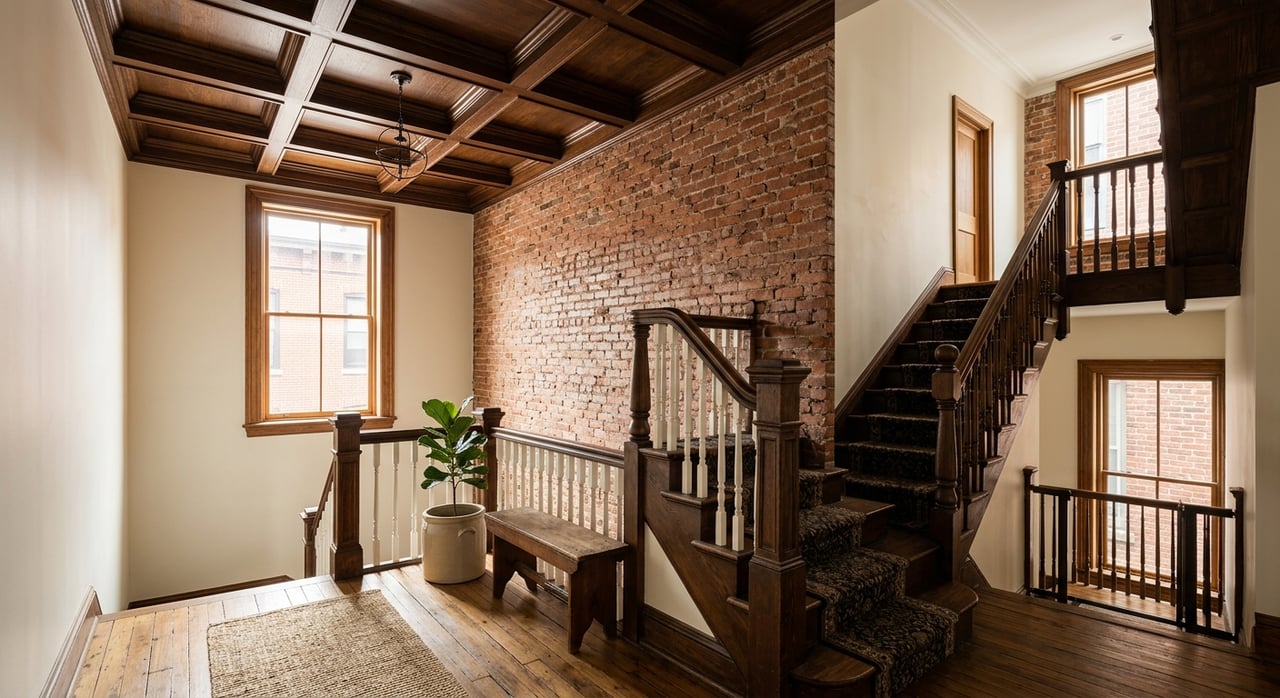
If you are thinking about selling in Carroll Gardens, you already know this is not a market where broad Brooklyn averages tell the full story. Buyers here are often paying for brownstone character, block-by-block appeal, and legal clarity as much as they are paying for square footage. That can be good news for serious sellers, but only if your pricing, prep, and timing are handled with precision. In this guide, you will learn what makes Carroll Gardens different, what current market data suggests, and how to prepare your property for a smoother, stronger sale. Let’s dive in.
Why Carroll Gardens Sells Differently
Carroll Gardens has a built form that stands out even within brownstone Brooklyn. City planning materials describe the neighborhood as largely made up of 3- and 4-story row houses with front yards, along with some 4- and 5-story multifamily buildings. That physical character shapes what buyers expect and what they are willing to pay for.
In practical terms, buyers in Carroll Gardens are often looking closely at scale, architectural consistency, and original neighborhood feel. The area’s signature deep front yards and low-rise streetscape create a specific kind of appeal that does not translate neatly from nearby markets. If you are selling here, your property is usually judged against highly specific local expectations, not just borough-wide pricing trends.
Inventory also tends to be limited, and the housing stock is older, with relatively few condos, new apartments, or elevator buildings. That means buyers often compare a small number of available options very carefully. For sellers, presentation and accurate positioning matter a great deal.
What the Latest Market Numbers Show
Current market snapshots place Carroll Gardens firmly in premium territory. StreetEasy shows a median sale price of $2.3 million with 55 days on market, while PropertyShark’s March 2026 overview shows a median sale price of $2.1 million, a median price per square foot of $1,804, and just 7 transactions. In a neighborhood this small, a few closings can move the numbers quickly.
That small sample size is important. One high-end townhouse or standout multifamily sale can shift the median and make trends look stronger or weaker than they really are. This is why serious sellers should treat neighborhood medians as context, not as pricing instructions.
The contrast with the broader borough is also striking. PropertyShark shows Brooklyn’s March 2026 median sale price at $879,000, far below Carroll Gardens levels. If you price your property using broad Brooklyn comps, you could leave value on the table.
Broader submarket reports also show some volatility. Corcoran’s quarterly reports for the Carroll Gardens, Boerum Hill, and Red Hook submarket showed median prices of $1.35 million in 1Q2025, $1.54 million in 2Q2025, and $1.58 million in 3Q2025, with days on market ranging from 60 to 77. Those shifts reflect how easily small and mixed data sets can change when new-development closings or a handful of larger deals enter the mix.
Price by Property Type, Not by Headline
One of the biggest mistakes a seller can make in Carroll Gardens is relying on a single neighborhood average. A single-family brownstone, a townhouse with unique layout considerations, and a small multifamily building are not read the same way by buyers, lenders, or appraisers. Each one needs its own comp set.
That matters because Carroll Gardens has a mix of property types within a relatively compact footprint. Even homes on nearby blocks can command very different responses based on legal use, scale, condition, and architectural integrity. A serious pricing strategy starts with your exact building type and your exact block.
If you own a brownstone or townhouse, buyers may focus heavily on layout, condition, preserved details, and curb appeal. If you are selling a small multifamily property, buyers are likely to look more closely at rent roll, income history, and operating details. In both cases, legal clarity supports stronger pricing.
Who Is Buying in Carroll Gardens
The best demographic proxy in the research is the Brooklyn CD6 PUMA, which includes Carroll Gardens and nearby neighborhoods. In 2024, that area had a median household income of $182,554, with 74.8% of adults holding a bachelor’s degree or higher. The median owner-occupied home value was about $1.64 million.
The area also reflects a professional, commuter-oriented population. Major industries include computer systems design, elementary and secondary schools, and legal services, while common commute patterns include public transit, walking, and working from home. For you as a seller, that suggests a buyer pool that often values condition, convenience, neighborhood feel, and a polished first impression.
For brownstones and townhouses, likely buyers may include affluent owner-occupants, move-up households, and professionals looking for a property that feels both practical and distinctive. For small multifamily buildings, buyers may be especially focused on income records and operational history. Either way, the market tends to reward homes that feel well cared for and well documented.
Timing Your Sale in a Small Market
Seasonality exists in Carroll Gardens, but the data can look noisy because the neighborhood is small. PropertyShark’s monthly table for 2025 showed lower closed-sale counts in winter and early spring, with 2 transactions in February and 3 in March, compared with 14 in July. That supports the usual Brooklyn pattern of stronger activity from spring through fall, even if month-to-month numbers jump around.
For sellers, the main takeaway is not to chase a perfect week. Instead, focus on launching when your property is truly ready. In a market where inventory is limited and buyers compare details closely, a well-prepared listing often matters more than forcing an early launch.
If you can align strong prep with a spring, summer, or early fall listing window, that may help broaden visibility. Still, because sales volume is so low, serious buyers can emerge in any season when the right property comes to market.
Pre-Listing Work That Protects Your Sale
Carroll Gardens sellers often benefit from doing more work before the listing goes live, not less. Older housing stock, varied legal configurations, and landmark considerations can all create friction if they are ignored until contract time. The smoother your paperwork and property history, the easier it is to keep momentum once a buyer steps forward.
For most homes built before 1978, federal law requires sellers to disclose known lead-based paint information and provide the lead hazard pamphlet before sale. This is a basic but important step for many Carroll Gardens properties because of the neighborhood’s age. Waiting until late in the process can create avoidable delays.
New York’s Property Condition Disclosure Act also requires most sellers of residential 1- to 4-family property to provide a completed Property Condition Disclosure Statement before the buyer signs a binding contract. The law includes exemptions for certain transfers, including some court-ordered transfers such as probate administration. If your sale involves an estate, inherited property, or executor responsibilities, it is especially important to understand which rules apply early on.
The state disclosure form asks about issues that can slow a sale if records are missing. These include certificates of occupancy, shared features such as walls or driveways, utility surcharges, and flood insurance information. Gathering permits, renovation records, surveys, and insurance paperwork before listing can save valuable time during attorney review.
Landmark Rules Can Affect Your Timeline
Much of Carroll Gardens’ classic brownstone core is in or near the Carroll Gardens Historic District. If your property is landmarked, exterior alterations, reconstruction, demolition, and new construction require approval from the Landmarks Preservation Commission. That affects how you should think about pre-sale improvements.
In many cases, last-minute exterior changes are not the best use of time or money. Facade work, rooftop additions, and other visible updates can involve approvals and design constraints that do not fit a quick listing timeline. If your goal is to sell efficiently, it may be smarter to focus on maintenance, documentation, and presentation instead.
This is one reason local planning matters in Carroll Gardens. Buyers often appreciate authenticity and architectural consistency, so trying to force a rushed cosmetic overhaul can backfire. A cleaner strategy is to highlight the property’s existing strengths and resolve issues that could interrupt due diligence.
How to Prepare for a Stronger Launch
A practical Carroll Gardens listing plan starts with clarity. Before you think about photos or open houses, confirm legal use, review certificates of occupancy, check for permit or landmark issues, and understand your disclosure obligations. That foundation helps you price with confidence and answer buyer questions without scrambling.
Then focus on the property itself. Address obvious maintenance items, improve cleanliness and flow, and stage the home to emphasize light, volume, and architectural character. In a neighborhood known for brownstones, stoops, front gardens, and historic detail, buyers often respond best when a property feels true to its setting.
For multifamily sellers, preparation should also include organized financial and operating information. Clear rent rolls, expense records, and tenancy details help serious buyers evaluate the building quickly. The easier it is for them to understand what they are buying, the easier it is to maintain leverage in negotiations.
Why Serious Sellers Need a Narrower Strategy
Carroll Gardens is not a volume market. It is a precision market. Low inventory, older housing stock, landmark considerations, and small transaction counts all make it more important to get the details right from the start.
That is especially true if your property sale carries extra complexity. Estate sales, inherited homes, long-held family properties, and small multifamily buildings often require more than standard listing prep. They call for organized records, careful communication, and hands-on coordination.
When those pieces come together, sellers are in a stronger position to protect value and reduce stress. In a neighborhood where buyers care about character and certainty, the right preparation can make a meaningful difference.
If you are preparing to sell a brownstone, townhouse, inherited property, or small multifamily building in Carroll Gardens, Ronit Abraham offers hands-on guidance, practical coordination, and neighborhood-focused strategy to help you move forward with confidence.
FAQs
What is the current housing market like for sellers in Carroll Gardens?
- Carroll Gardens remains a premium Brooklyn submarket, with recent median sale figures around $2.1 million to $2.3 million depending on the source, but low transaction volume means pricing trends should be read carefully and property-specific comps matter most.
How should you price a home in Carroll Gardens?
- You should price based on your exact property type, block, legal use, condition, and recent comparable sales rather than relying on broad neighborhood or borough-wide averages.
What documents should sellers gather before listing a Carroll Gardens property?
- Sellers should gather certificates of occupancy, permits, renovation records, surveys, insurance paperwork, and any information needed for required disclosures, including lead paint disclosures for many pre-1978 homes.
What should sellers know about landmark rules in Carroll Gardens?
- If your property is landmarked, exterior alterations, reconstruction, demolition, and new construction require Landmarks Preservation Commission approval, which can affect renovation timing and pre-listing decisions.
When is the best time to sell a home in Carroll Gardens?
- Market activity generally appears stronger from spring through fall, but because Carroll Gardens has low sales volume, the best time to list is often when your property is fully prepared and documented.
What matters most to buyers in Carroll Gardens?
- Buyers often pay close attention to architectural character, condition, legal clarity, and overall presentation, especially since the neighborhood’s housing stock is older and inventory is typically limited.