What does a day in Carroll Gardens actually feel like when you live in a brownstone? It is not just about pretty facades or a well-known Brooklyn name. If you are considering a move, keeping a long-time home, or preparing to sell, it helps to understand how the neighborhood works in real life. This guide walks you through the rhythms of Carroll Gardens, from its historic blocks to its everyday routines, so you can picture the lifestyle more clearly. Let’s dive in.
Brownstone character shapes daily life
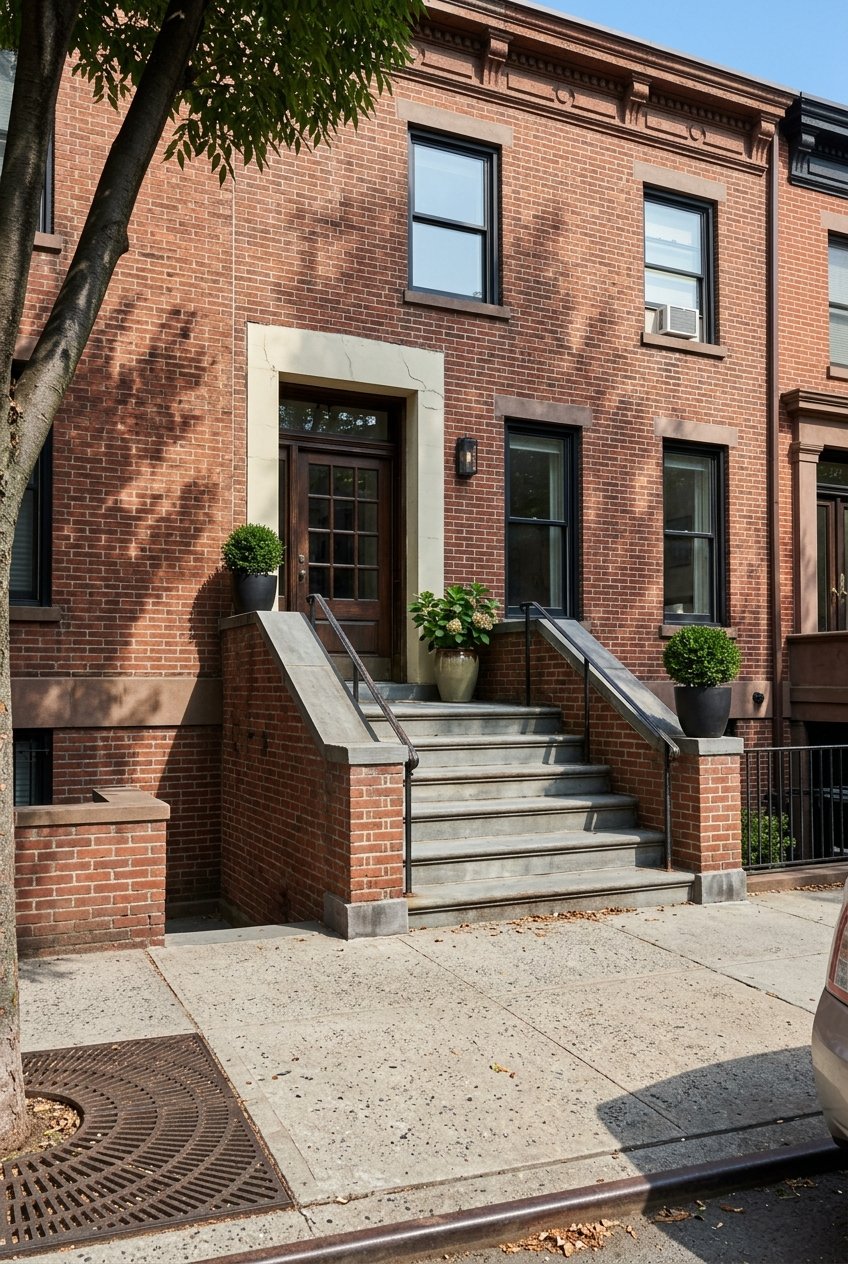
Carroll Gardens stands out for its low-rise brownstone streetscape. According to the New York City Department of City Planning, much of the neighborhood is made up of three- and four-story single-family and multi-family row houses with front yards, along with a smaller amount of apartment and retail or service development.
That front-yard pattern is one of the details people remember most. City Planning notes that an 1846 Brooklyn law required unusually deep front yards on the 1st, 2nd, 3rd, and 4th Places, helping create the garden-lined look that still defines the neighborhood today.
The area’s visual rhythm is also protected by public policy, not just history. Blocks of Carroll Street and President Street between Smith and Hoyt are part of the Carroll Gardens Historic District, which the Landmarks Preservation Commission designated in 1973. City Planning also points to a 2008 narrow-street zoning text amendment intended to help new buildings better match the existing neighborhood scale.
For you as a buyer or seller, that matters. The appeal of Carroll Gardens is closely tied to a built environment that feels consistent, human-scaled, and hard to replicate.
Mornings start close to home
One of the clearest signs of brownstone living in Carroll Gardens is how easy it is to begin your day on foot. Rather than driving to a shopping center or planning around long errands, many daily routines happen within a few blocks.
On Sundays, the Carroll Gardens Greenmarket offers a strong neighborhood anchor. GrowNYC says the market operates year-round from 8:00 a.m. to 2:00 p.m. on Carroll Street between Smith and Court Streets, right by Carroll Park and P.S. 58.
That location says a lot about the neighborhood. The market is woven into daily life, not placed off to the side, and it supports a rhythm where you can pick up produce, grab coffee, and keep moving through the neighborhood on foot.
The practical side is worth noting too. GrowNYC reports that the market accepts cash, debit and credit, SNAP/EBT, FreshConnect, and Greenmarket Bucks, which speaks to how established and accessible this Sunday routine has become.
Smith and Court set the pace
Carroll Gardens has a useful contrast built into it. City Planning describes local retail and service establishments on and around the Smith and Court Street corridors, while the surrounding residential blocks hold onto a quieter row-house feel.
That mix helps create a day that feels balanced. You can step out for coffee, a bakery stop, or a few basic errands, then return to streets that feel calmer and more residential.
Research in the report also notes Smith Street’s long pattern of mixed-use buildings, with shops at ground level and homes above. In practical terms, that means the commercial energy feels neighborhood-scaled rather than oversized.
Carroll Park is part of the routine
Every neighborhood has places that hold daily life together. In Carroll Gardens, Carroll Park is one of those places.
Friends of Carroll Park says the park spans the block between Smith, Court, Carroll, and President Streets. It began as a private community garden in the late 1840s and became a city park in 1852, making it Brooklyn’s third oldest public park.
That history adds depth, but the current use is what shapes the neighborhood experience. Friends of Carroll Park describes bocce, basketball, baseball, children’s play, arts and crafts, and events around the monument, all of which support a park culture that feels active and local.
NYC Parks lists Carroll Park as a 1.87-acre small park with athletic facilities, public restrooms, and a playground. For everyday living, that means the neighborhood has a compact but meaningful public space where people can gather, spend time outdoors, and break up the pace of the day.
Stoops, sidewalks, and public life
Brownstone neighborhoods are often appreciated for their architecture, but the social spaces matter just as much. In Carroll Gardens, front yards, stoops, sidewalks, and the park all work together to create a street-level experience that feels connected.
You see that in the transition from home to block. The front gardens soften the streetscape, the row houses create visual continuity, and the short walk to Carroll Park or the Smith and Court corridors makes the neighborhood feel easy to use.
If you are evaluating homes here, it is helpful to think beyond square footage. The experience of stepping outside and immediately being in a walkable, well-defined environment is part of what people value.
Walkability is a real advantage
Carroll Gardens supports a car-light lifestyle because so many essentials cluster nearby. The neighborhood’s layout makes it easy to connect residential blocks, small-scale retail, the park, and transit without a complicated daily routine.
That kind of convenience is especially important in townhouse and brownstone neighborhoods, where buyers often care as much about block-to-block livability as they do about the home itself. Here, the setting supports that priority.
The research report makes a strong case for describing the area as walkable brownstone living. Historic row houses, neighborhood retail, the Greenmarket, Carroll Park, and subway access all sit within a compact footprint.
Transit keeps the neighborhood connected
For many buyers, daily livability includes how easily you can leave the neighborhood and come back. Carroll Gardens is served by the F and G trains at Carroll Street and Smith-9 Streets.
According to MTA line maps, Carroll Street is a local F and G stop. Smith-9 Streets is an elevated local station on the F, with G service at all times.
That gives the neighborhood direct subway access without making car ownership central to everyday life. If you are weighing whether brownstone living here feels practical as well as charming, transit is part of the answer.
Why this matters for buyers and sellers
If you are buying in Carroll Gardens, understanding the neighborhood rhythm can help you judge fit more accurately. This is a place where architecture, zoning, public space, and daily convenience all reinforce one another.
If you are selling, the same details help explain why Carroll Gardens attracts sustained interest. The neighborhood’s appeal is not based on one feature alone. It comes from a combination of preserved scale, recognizable brownstone character, walkable retail corridors, a well-used park, and reliable subway access.
That is especially relevant in Brooklyn brownstone markets, where buyers often respond to the total experience of the block and neighborhood, not just the finishes inside a home. Clear local positioning can make a real difference when you prepare a property for market.
For owners of brownstones, townhouses, or multi-family buildings, that often means presenting the home within the context of the neighborhood’s legacy and everyday function. In a place like Carroll Gardens, those two things are closely linked.
Whether you are planning a move, thinking about timing, or preparing for a more complex property transition, local context matters. Ronit Abraham offers a practical, neighborhood-first approach for Brooklyn brownstone and townhouse owners who want thoughtful guidance and hands-on support.
FAQs
What makes Carroll Gardens brownstone living distinctive?
- Carroll Gardens is known for its low-rise row houses, deep front gardens on key blocks, and a preserved neighborhood scale shaped by historic development, landmarking, and zoning.
Where is the Carroll Gardens Greenmarket located?
- The Carroll Gardens Greenmarket is on Carroll Street between Smith and Court Streets, next to Carroll Park, and it operates year-round on Sundays from 8:00 a.m. to 2:00 p.m. according to GrowNYC.
What is Carroll Park like in Carroll Gardens?
- Carroll Park is a 1.87-acre public park that includes athletic facilities, public restrooms, and a playground, and it also serves as a neighborhood gathering place for recreation and events.
Which subway lines serve Carroll Gardens?
- Carroll Gardens is served by the F and G trains at Carroll Street and Smith-9 Streets, giving residents direct subway access for daily travel.
Why do front gardens matter in Carroll Gardens?
- The front gardens are part of the neighborhood’s defining look and trace back to an 1846 Brooklyn law that required deeper front yards on certain blocks.
Why is Carroll Gardens appealing to brownstone buyers and sellers?
- The neighborhood combines historic row-house character, walkable daily errands, active public space, and practical transit access, which together support the kind of lifestyle many Brooklyn buyers seek.