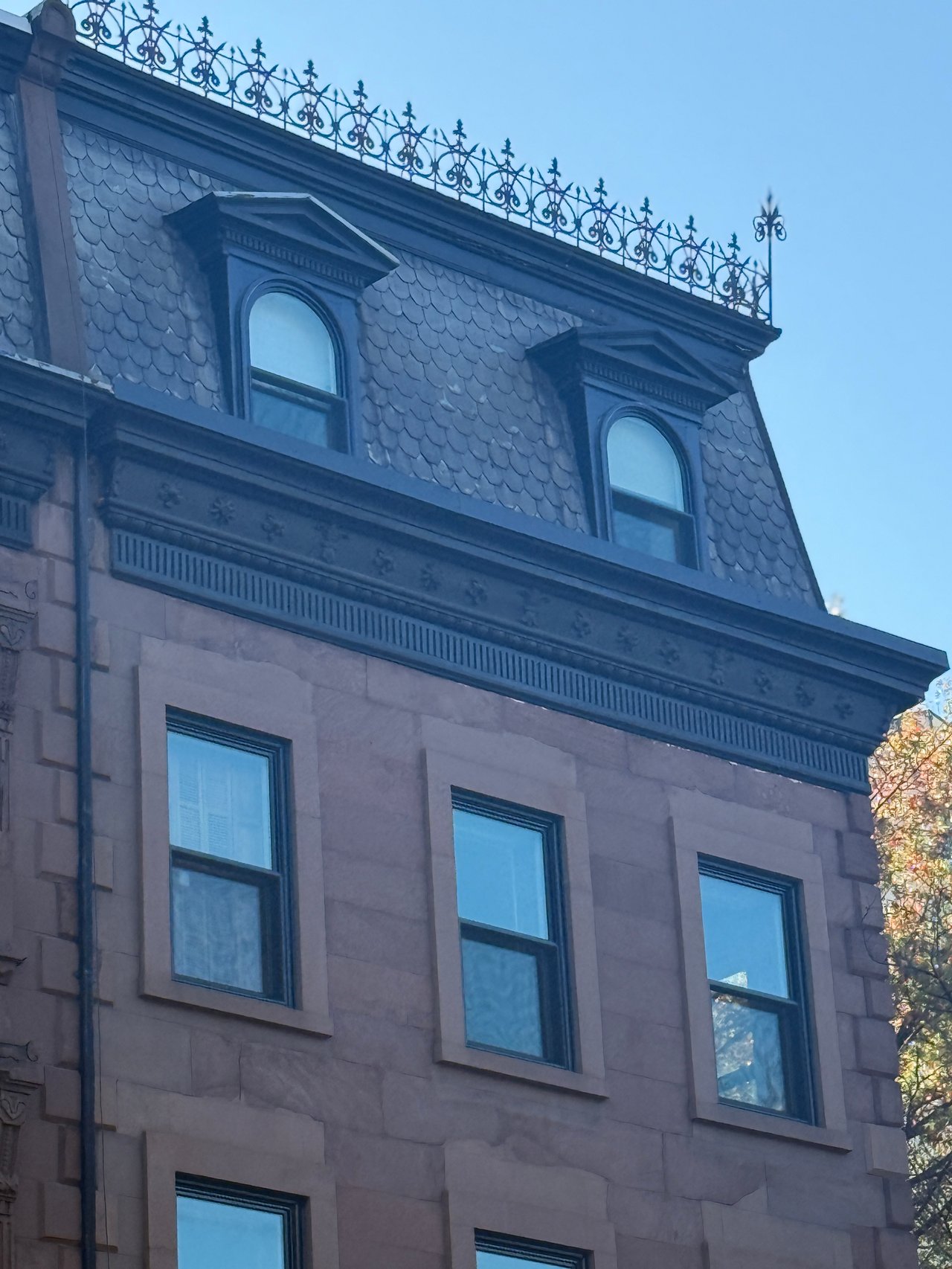
Buying a Park Slope Multifamily? Look Beyond the Rent Roll
A Park Slope brownstone with rental income sounds like a smart way to buy into the neighborhood. Live in one unit, rent the others, and let the building help carry itself. I understand the appeal. I love these houses, and I have seen how flexible a two- or three-family can be for the right buyer.
But the advertised rent is only the beginning of the story. Before I would tell a buyer that the numbers work, I would want to know what they can legally rent it for, who lives there now, and what it will cost to own and maintain the building.
Here is where I would focus.
Start with the legal unit count
In a brownstone, a floor that looks and functions like an apartment is not necessarily a legal apartment. The garden level may have a kitchen. The basement may have a separate entrance. Neither detail, by itself, tells you whether you can count that space as a rentable unit.
I would compare the current layout with the property's Certificate of Occupancy and Department of Buildings records. Some older buildings do not have a Certificate of Occupancy; in certain cases, a Letter of No Objection can help establish legal use. This is a question to resolve with your attorney and architect before relying on that extra rent. NYC Department of Buildings: Certificates of Occupancy
If a listing calls a property a three-family but the legal records tell a different story, that changes both the value and the financing conversation.
Look at the rent you can actually collect
Ask for the leases, rent roll, payment history, and a clear account of which units will be occupied at closing. Then compare those figures with the expenses: taxes, insurance, heat, water, repairs, and a reserve for the surprises that come with an older building.
If you plan to live in one apartment, rent from the other units may help you qualify for a mortgage. The lender will decide how much it can use and what documentation it needs. It may rely on leases, an appraisal, or tax returns, and its qualifying calculation may differ from the cash you expect to collect each month. I would speak with a lender early, before building a purchase budget around projected rent. Fannie Mae: Rental Income
If the building is fully rented, the leases matter for another reason: they affect when, or whether, you can occupy a particular unit. Have your attorney review the tenancy and any claim that the property will be delivered vacant. Do not base your plans on a unit becoming available until that is clearly established.
Verify the status of every apartment
People sometimes assume that a small townhouse is automatically free market. I would never make that assumption without reviewing the building's history. Rent regulation can depend on factors that are not obvious during a showing, including prior tax benefits and the history of a particular apartment.
Ask your attorney to investigate the status of each unit and review the relevant records. If an apartment is regulated, that affects the rent you can charge and the rights of the tenant. A projected rent increase is not a substitute for that review. New York State Homes and Community Renewal: Rent Stabilization
Be realistic about renovations
Park Slope's architecture is one of the reasons people want to buy here. It can also affect what you can change. If the house is in a historic district, exterior work may need approval from the Landmarks Preservation Commission. An addition, roof project, or rear facade change also raises questions about zoning, permits, cost, and timing. NYC Landmarks Preservation Commission: Applications
I would bring an architect or the right contractor into the conversation before treating a renovation idea as part of the property's value. That beautiful roof deck in your head still needs to work on paper.
Compare the carrying costs, not just the asking prices
Two Park Slope buildings with similar layouts can have very different ownership costs. Property taxes are a good example. Most one- to three-unit residential properties are in Tax Class 1, while a four-unit rental building generally falls in Class 2. Those classes are assessed differently, so do not assume the tax bill for a nearby two-family tells you what a four-family will cost to carry. Check the actual tax record and discuss any proposed change in use with the appropriate professionals. NYC Department of Finance: Property Tax Classes
The same goes for the condition of the roof, facade, mechanical systems, and common areas. Rental income is helpful, but it does not make a deferred repair disappear.
My approach
For each property, I want to see the legal unit count, the leases and tenant status, the actual expenses, the condition of the building, and what your lender will recognize as income. Then we can talk about how it fits your life, whether you plan to occupy it now, hold it as an investment, or keep your options open for later.
A Park Slope multifamily can be a wonderful purchase. The right one gives you a home, income, and flexibility. The key is knowing exactly which of those benefits the particular building can deliver.
If you are considering a Park Slope townhouse or multifamily property, I would be happy to walk through the building and the numbers with you.