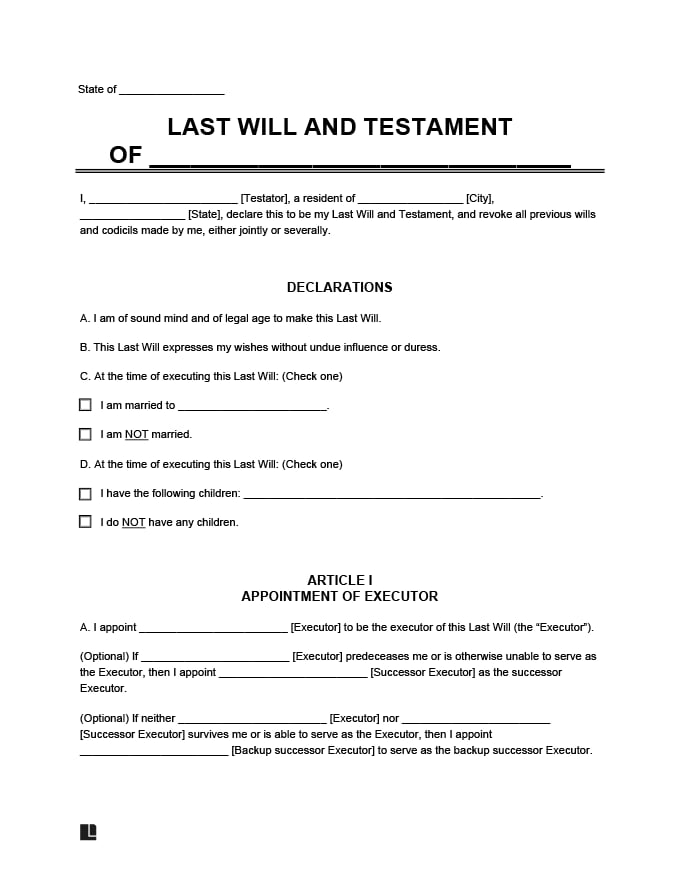
If you die owning a home in New York without a will, the state decides what happens next. Not your family. Not your intentions. The law.This process is called intestacy, and it follows a rigid formula that often surprises people, and regularly creates conflict.
Step One: How Was the Property Owned?
Before inheritance is even discussed, ownership matters.
-
Sole ownership: The house becomes part of the estate and goes through probate.
-
Joint tenancy with right of survivorship: Ownership transfers automatically to the surviving owner.
-
Tenancy by the entirety (married couples): The surviving spouse owns the home outright.
-
Tenants in common: The deceased owner’s share goes through probate.
Most problems arise when the home is owned solely or as tenants in common.
Who Inherits the House Under NY Intestacy Law?
In simplified terms:
-
Spouse and children:
The spouse receives the first $50,000 plus half of the remaining estate. The children split the rest. -
Spouse only:
The spouse inherits everything. -
Children only:
Children inherit equally. -
No spouse or children:
Parents inherit. If none, siblings, then extended family.
This often results in multiple people owning the same house together, unintentionally.
Why This Creates Real Problems
Common outcomes include:
-
A surviving spouse co-owning the home with adult children
-
One heir living in the property while others want their share in cash
-
Disagreements over selling, refinancing, or maintenance
Any co-owner can legally force a sale through a partition action, even if others object.
Probate Is Usually Required
If the home was solely owned, someone must:
-
Petition Surrogate’s Court
-
Be appointed administrator
-
Pay debts, taxes, and expenses
-
Then transfer or sell the property
Until that happens, the house is effectively frozen.
Mortgages, Taxes, and Liens Still Apply
Dying without a will does not eliminate obligations:
-
Mortgages must still be paid
-
Property taxes still accrue
-
Liens still attach
Failure to act can lead to foreclosure or tax enforcement.
Blended Families and Estranged Relatives
Intestacy law doesn’t consider relationships, only bloodlines:
-
Children from prior marriages inherit
-
Estranged relatives still inherit
-
Long-term partners and stepchildren inherit nothing
This is where most disputes arise.
Can the State Take the House?
Only if there are truly no heirs, which is rare. Far more common is family conflict, delay, and financial loss.
The Bottom Line
If you own a home and die without a will, you give up control. The courts decide, and families deal with the fallout.
A basic estate plan lets you decide:
-
Who gets the house
-
Whether it’s sold or kept
-
How conflict is avoided
This is one of the simplest problems to prevent and one of the hardest to fix afterward. If you’re dealing with an estate property, a probate sale, or trying to plan ahead so your home doesn’t become a legal and emotional mess for your family, I can help you think through the real-world implications before decisions get locked in by the courts.