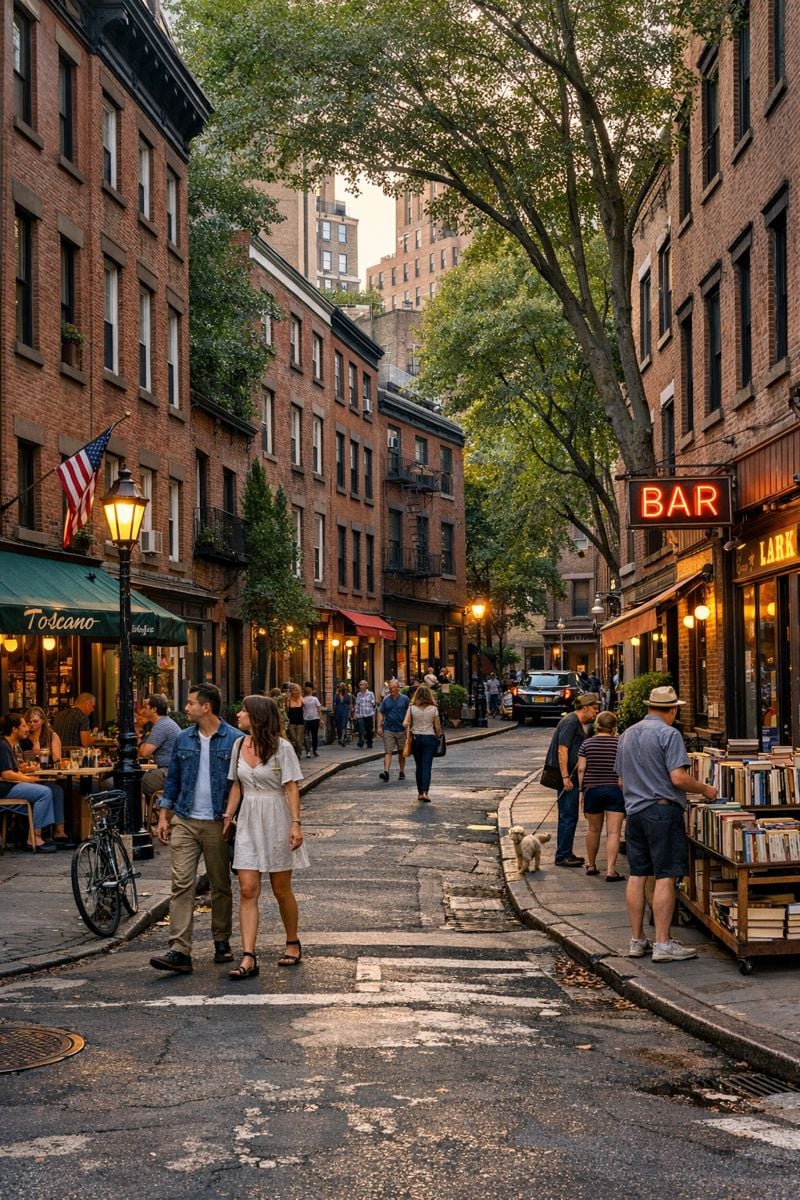
The West Village continues to operate differently from much of Manhattan. While broader market conditions fluctuate with interest rates and sentiment, the West Village remains defined by scarcity, long-term ownership and structural limits on supply.
Inventory Remains Tight
The West Village is largely built out. Historic preservation, low-rise zoning and a fixed streetscape mean that meaningful increases in housing inventory are unlikely. Many owners have held their properties for years or decades and often carry little or no mortgage debt, reducing pressure to sell even in changing rate environments.
As a result, listings remain limited, particularly for well-located co-ops, townhouses and small condominiums.
Buyer Demand Is Selective but Persistent
Buyer activity has become more deliberate, but demand has not disappeared. The strongest interest is focused on:
-
Renovated or well-maintained homes
-
Buildings with reasonable policies
-
Properties offering outdoor space or flexible layouts
Correctly priced homes that present well continue to trade. Overpriced or poorly prepared listings tend to linger longer than they would have in prior cycles.
Co-ops Still Dominate the Landscape
Co-ops make up a large portion of West Village inventory. Buyers are closely examining:
-
Sublet policies
-
Building financials and reserves
-
Upcoming capital projects
Buildings with transparent governance and strong balance sheets consistently outperform others in both pricing and time to contract.
New Development: Rare but Influential
New development in the West Village is uncommon and closely watched. Most of the neighborhood falls under historic district protections overseen by the New York City Landmarks Preservation Commission, which significantly limits ground-up construction.
When development does occur, it is typically:
-
Boutique condominium projects with very limited unit counts
-
Adaptive reuse of former commercial or institutional buildings
-
Extensive townhouse restorations or expansions
Because supply is so constrained, even small new developments can set pricing benchmarks for the broader neighborhood. Buyers often pay a premium for new systems, elevators and modern layouts within a historic context, though pricing is scrutinized carefully against resale alternatives.
Townhouses and High-End Activity
At the upper end of the market, townhouse and unique property sales continue, often quietly. Ultra-high-net-worth buyers prioritize location, privacy and architectural integrity over short-term market timing. Many of these transactions occur off-market or with limited exposure.
Why the West Village Remains Resilient
The appeal of the West Village is structural rather than cyclical. Scale, character, walkability and limited supply create a market that moves more slowly but holds value more consistently.
For sellers, this means preparation and strategy still matter. For buyers, it means competition remains for the right property, even in a more measured market. If you’re buying or selling in the West Village and want to understand how limited inventory and rare new development affect pricing and strategy, I’m happy to walk through the specifics of this market with you.