One of the most significant, and least understood, provisions in the U.S. tax code is known as the step-up in basis. For real estate owners, it can dramatically change how much tax is ultimately paid on decades of appreciation.
Here’s how it works in practice.
A Simple Example
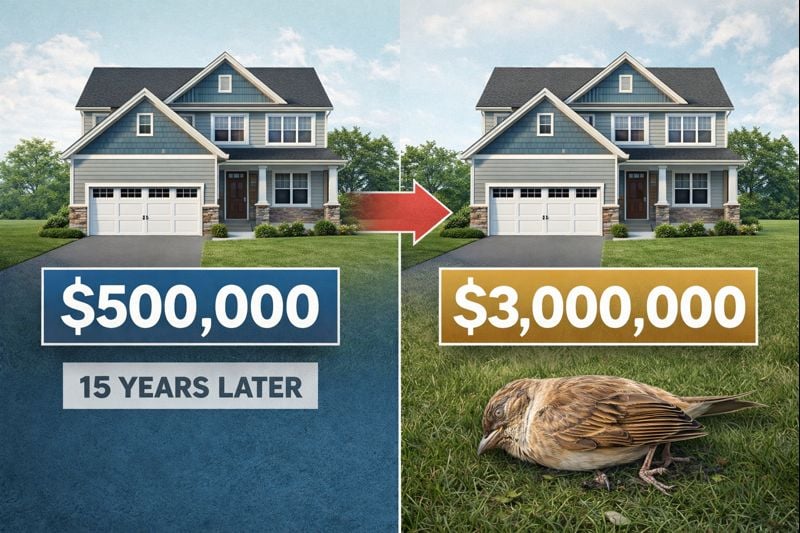
Imagine purchasing a home for $500,000 and holding it for the rest of your life. Over time, the property appreciates and is worth $3 million at the time of death.
If that property were sold during your lifetime, the $2.5 million gain would generally be subject to federal capital gains tax, currently up to 20%, plus the 3.8% net investment income tax, and potentially state and local taxes as well.
But if the property is passed to heirs instead, something very different happens.
What the Step-Up in Basis Does
Under current U.S. tax law, capital gains are not taxed at death. Instead, the property’s tax basis is “stepped up” to its fair market value at the date of death.
In this example:
-
Original purchase price (basis): $500,000
-
Value at death: $3,000,000
-
New basis for heirs: $3,000,000
If the heirs sell the property shortly after inheriting it for $3 million, there is no taxable capital gain. The $2.5 million of appreciation is never taxed. Not to the original owner. Not to the heirs. Ever.
Why This Matters for Real Estate Owners
This rule is one of the reasons real estate is such a powerful long-term asset. Appreciation can compound over decades, and if the property is held until death, that gain may escape capital gains taxation entirely.
It also explains why many families hold onto property rather than selling, even when values rise sharply. For some, selling triggers a large tax bill. Holding preserves flexibility and can dramatically improve after-tax outcomes for the next generation.
Estate Taxes vs Capital Gains
It’s important to distinguish between estate tax and capital gains tax. The step-up in basis affects capital gains, not estate taxes. Federal estate taxes apply only to estates above a very high threshold, currently nearly $14 million per individual and $28 million per married couple. Many estates fall below those limits and therefore avoid both estate tax and capital gains tax on appreciated real estate.
Why This Rule Is Often Debated
The step-up in basis is frequently discussed in policy debates because of its impact on wealth transfer. Supporters argue it prevents double taxation and encourages long-term investment. Critics argue it disproportionately benefits asset owners. Regardless of politics, the rule remains in place today and continues to shape real estate decision-making.
Understanding how it works is essential for anyone thinking long-term about property ownership, inheritance and family planning. If you own real estate and are thinking about long-term planning, inheritance or whether to sell or hold, understanding the step-up in basis can make a meaningful difference. I’m happy to help you think through how this rule fits into your broader real estate strategy.
Suggested External Links:
-
IRS, Capital Gains and Basis Overview: https://www.irs.gov/taxtopics/tc409
-
IRS, Estate and Gift Taxes: https://www.irs.gov/businesses/small-businesses-self-employed/estate-tax
-
CNBC, Step-Up in Basis Explained: https://www.cnbc.com