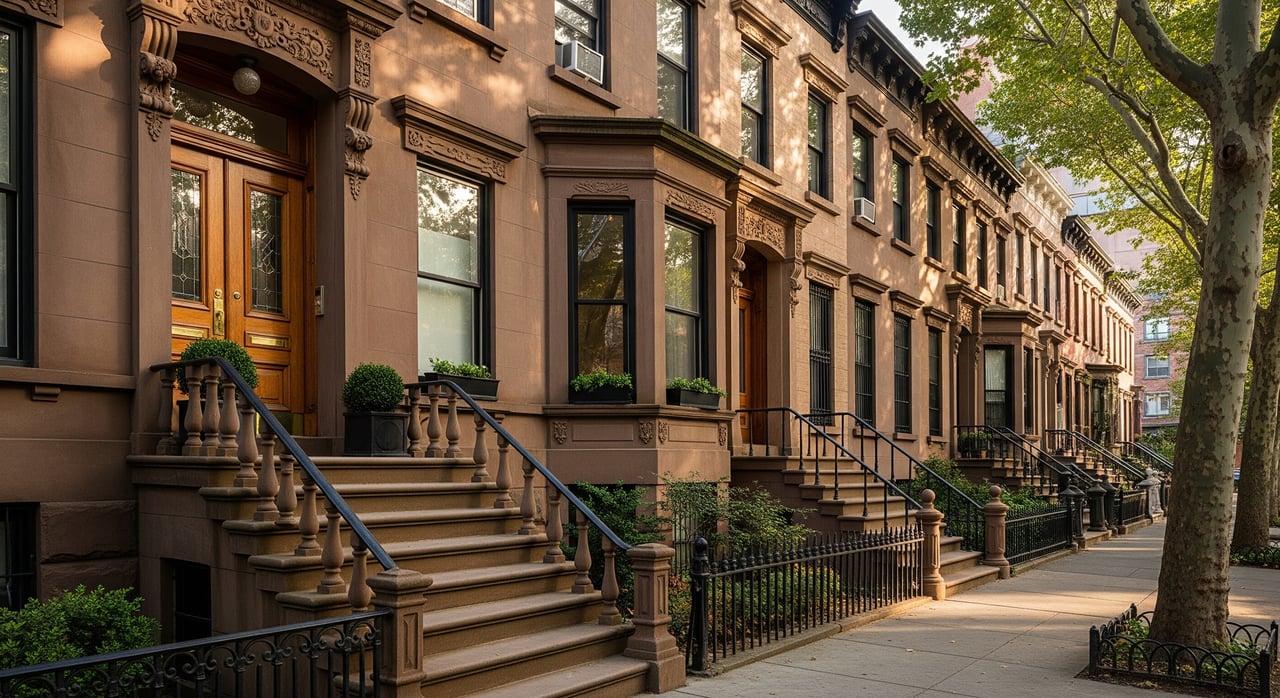
You love the idea of a classic Park Slope brownstone, but you also want to invest wisely. The neighborhood’s tree-lined streets, park access, and daily convenience are real draws, yet the premium can feel steep. In this guide, you’ll learn what drives pricing in Park Slope, the trade-offs compared with nearby brownstone areas, and a practical way to evaluate any specific house before you bid. Let’s dive in.
Quick market snapshot
Park Slope brownstones often trade at a premium compared with many other Brooklyn brownstone neighborhoods. That premium is tied to Prospect Park access, cohesive streetscapes, and a deep pool of buyers who value the area’s daily conveniences. Inventory for true brownstones is usually tight, and pricing can change block by block, which means your analysis needs to be hyper local.
What to watch right now
- Median sale price trend for townhouses over the past 12 to 36 months, broken out by single family and multi family where possible.
- Inventory and months of supply compared with one year ago, plus the share of listings with price reductions.
- Days on market and sale-to-list ratio to gauge how competitive offers need to be.
- Price per buildable square foot and any premium tied to facade width or lot size.
- Share of cash deals and jumbo mortgage usage, since many Park Slope transactions sit above conforming limits.
- Renovation permit activity on the Department of Buildings portal as a proxy for fixer demand.
What you pay extra for in Park Slope
- Proximity to Prospect Park, including park-facing blocks and short walks to park entrances.
- Consistent historic architecture, mature trees, and wide sidewalks that boost curb appeal and resale confidence.
- Everyday convenience along 5th and 7th Avenues, with groceries, restaurants, and services within a short walk.
- Historic district coverage that helps preserve neighborhood character.
- Generally higher owner occupancy, which can support long-term stability.
The park-facing premium
Blocks along or near Prospect Park often sell for more than comparable homes a few streets inland. The size of that difference varies by block, house width, condition, and outlook. To quantify it for a specific property, compare recent sales on the same street or within one block and adjust for width, renovation level, and legal unit count.
Costs and constraints that shape value
Landmark rules and permits
Large parts of Park Slope sit within Landmarks Preservation Commission districts. Exterior changes typically require LPC approval, which adds steps and time to a renovation plan. Before you bid, confirm whether the property’s block is landmarked and what that means for facade, window, and stoop work.
Renovation realities in brownstones
Brownstones often need system upgrades and specialized restoration. Common scopes include electrical and plumbing replacements, HVAC installation, masonry and brownstone repair, roof and cellar work, and structural shoring where needed. Older buildings can hide issues such as lead, asbestos, and prior non-compliant alterations, so plan thorough inspections and a robust contingency.
Carrying costs and taxes
Annual property taxes depend on the building’s assessment class and legal unit count. Insurance for older masonry buildings can be higher, and landlord coverage applies if you keep or create rental units. Review recent tax bills and confirm the legal unit configuration before closing.
Liquidity and seasonality
Large single-family brownstones appeal to a specific buyer pool. If priced incorrectly or offered at the wrong moment, they can take longer to sell. Pricing strategy and presentation are critical.
Turnkey or fixer: deciding what fits you
A renovated Park Slope home trades at a higher price, yet it offers immediate use and less disruption. A fixer may be more accessible on price and lets you customize, but it requires time, permits, and extra capital. Your choice should reflect how soon you need to move, your tolerance for renovation, and your financing plan.
Real buyer math checklist
Use this checklist to build a full project budget before you offer:
- Acquisition: purchase price, closing costs, title, and legal fees.
- Financing: jumbo mortgage terms, rate, points, and reserves if applicable.
- Renovation: architectural plans, DOB permits, LPC approvals where required, contractor bids, materials, contingencies.
- Carrying costs: taxes, insurance, utilities, and interest during any vacancy or construction period.
- Post-completion: landscaping, furnishings, and punch-list items.
Financing and offer strategy
Many Park Slope buyers use jumbo mortgages that come with larger down payments and stricter underwriting. Cash buyers are active in this segment, so strong pre-approval and proof of funds help your negotiating position. Let current days on market, sale-to-list ratios, and inventory trends guide your approach to contingencies, timing, and price.
How Park Slope compares nearby
- Carroll Gardens and Cobble Hill: Similar brownstone character and strong retail corridors. Lot sizes can vary, and block-by-block pricing can be comparable or higher on select streets.
- Boerum Hill: Smaller blocks, lively retail and dining, and pricing that shifts with proximity to larger commercial corridors.
- Fort Greene and Clinton Hill: Excellent brownstone stock and cultural institutions. Some blocks offer better value per square foot, with a mix of owner occupancy and rentals.
- Bedford-Stuyvesant: More options at lower median prices historically, along with wider renovation opportunities. Buyer trade-offs include different commute patterns and retail mix.
- Prospect Heights and Crown Heights: Near Prospect Park and cultural anchors, with pricing that varies by block, width, and transit access.
How to evaluate a specific brownstone
- Pull block-level comps from the past 12 to 24 months on the same street or within one block. Adjust for width, unit count, interior condition, and outdoor space.
- Confirm legal status: check deed history, unit count, open violations, and whether any apartments are rent regulated.
- Verify landmark status and prior approvals. If the block is in a historic district, understand what LPC has required for similar projects.
- Review DOB records for permits, prior alterations, and complaints. Factor review times into your schedule.
- Schedule inspections that fit older structures: structural engineer, environmental testing, and pest.
- Clarify taxes and assessment class, then model carrying costs for both single-family use and multi-family configurations.
- Check flood maps, roof and cellar conditions, and drainage. Park Slope is set higher than waterfront areas, yet each property is unique.
- Test your commute from nearby subway lines at the times you expect to travel.
When Park Slope is worth it
Park Slope is often worth the premium if you value quick park access, a cohesive historic streetscape, and strong day-to-day convenience. If you plan to hold long term and want a stable environment supported by landmark protections, the neighborhood’s attributes can reinforce resale confidence. If your priority is maximizing square footage per dollar or tackling a larger renovation, nearby neighborhoods may stretch your budget further with different trade-offs.
Next steps
- Get fully underwritten pre-approval for a jumbo mortgage or line up proof of funds.
- Request a block-by-block comp set that isolates park-facing premiums and recent renovation resales.
- Pull DOB and LPC histories for any home you are considering before you bid.
- Line up contractors and an architect experienced with brownstones and landmark work.
- Build a full cost model, including realistic contingencies and carrying costs.
- Coordinate inspections early, especially structural and environmental.
Ready to see where the Park Slope premium makes sense for you? Connect with Ronit Abraham for a block-by-block plan, tailored comps, and introductions to lenders and contractors.
FAQs
Are Park Slope brownstones more expensive than other areas?
- Park Slope commonly trades at a premium compared with several Brooklyn brownstone neighborhoods due to park access, streetscape, and daily convenience.
What creates the price premium near Prospect Park?
- Park-facing or park-adjacent blocks often command higher prices than similar homes a few streets inland, with the premium varying by width, condition, and outlook.
Do I need a jumbo mortgage to buy in Park Slope?
- Many purchases exceed conforming loan limits, so jumbo financing or cash is common, along with larger down payments and stricter underwriting.
How long does a brownstone renovation take in Park Slope?
- Timelines vary with scope, permits, and landmark approvals, so plan for added review time where LPC approval is required and budget for contingencies.
How do taxes differ for single family vs multi family setups?
- Assessment class and legal unit count affect annual taxes, so review current tax bills and confirm the building’s legal configuration before you close.
What should I check before I bid on a Park Slope brownstone?
- Pull block-level comps, confirm landmark and DOB records, verify legal unit count, order thorough inspections, and model total costs with contingencies.